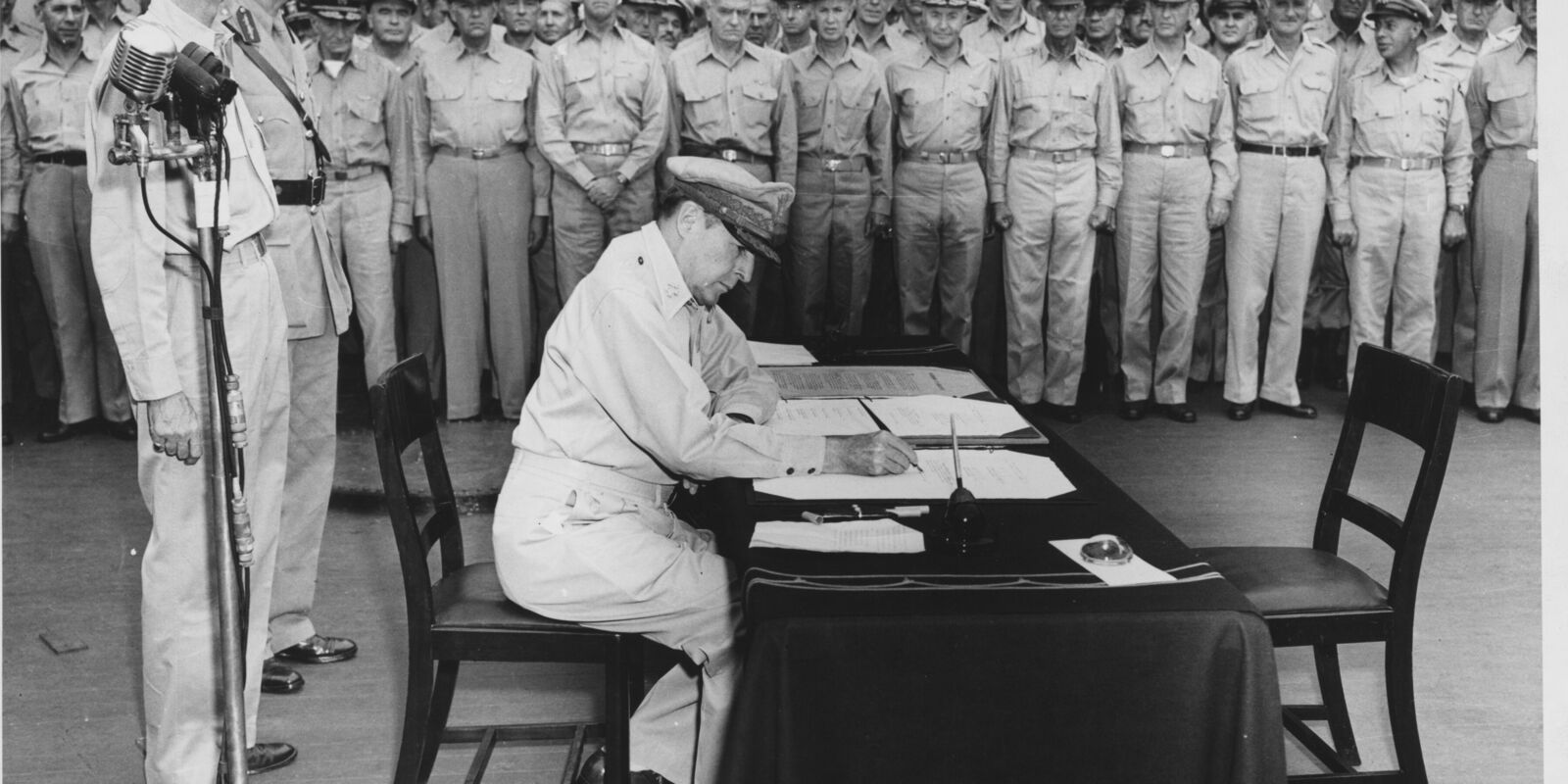
ABOARD U.S.S. MISSOURI, TOKYO BAY, Sept. 2
Japan signs on the Missouri
General MacArthur accepts for the Allies with two generals freed from Japanese prison camps beside him, and at home the President proclaims V-J Day.
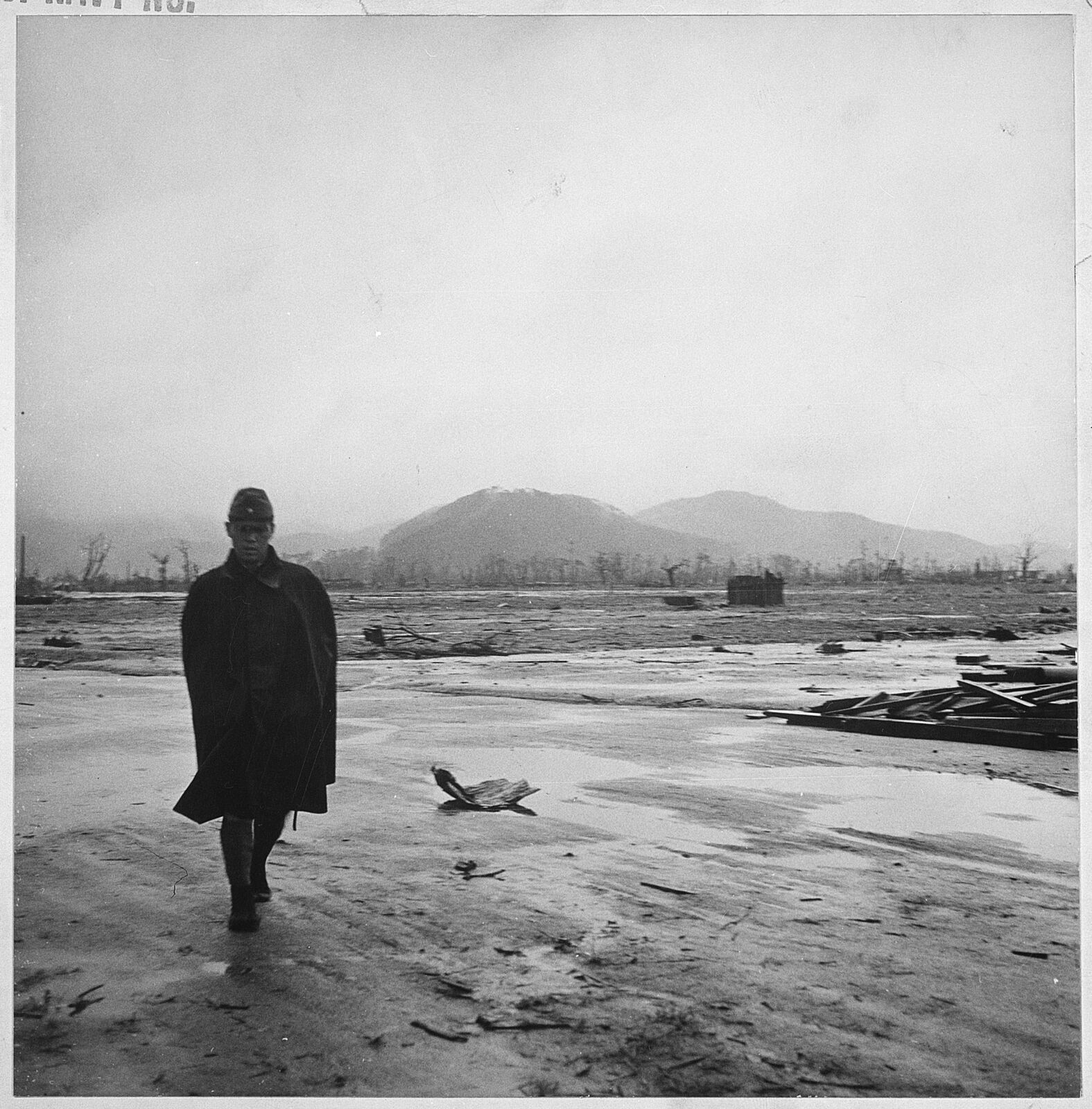
It is the first atomic bomb used in war, and the President warns Japan that more will follow if it does not yield.
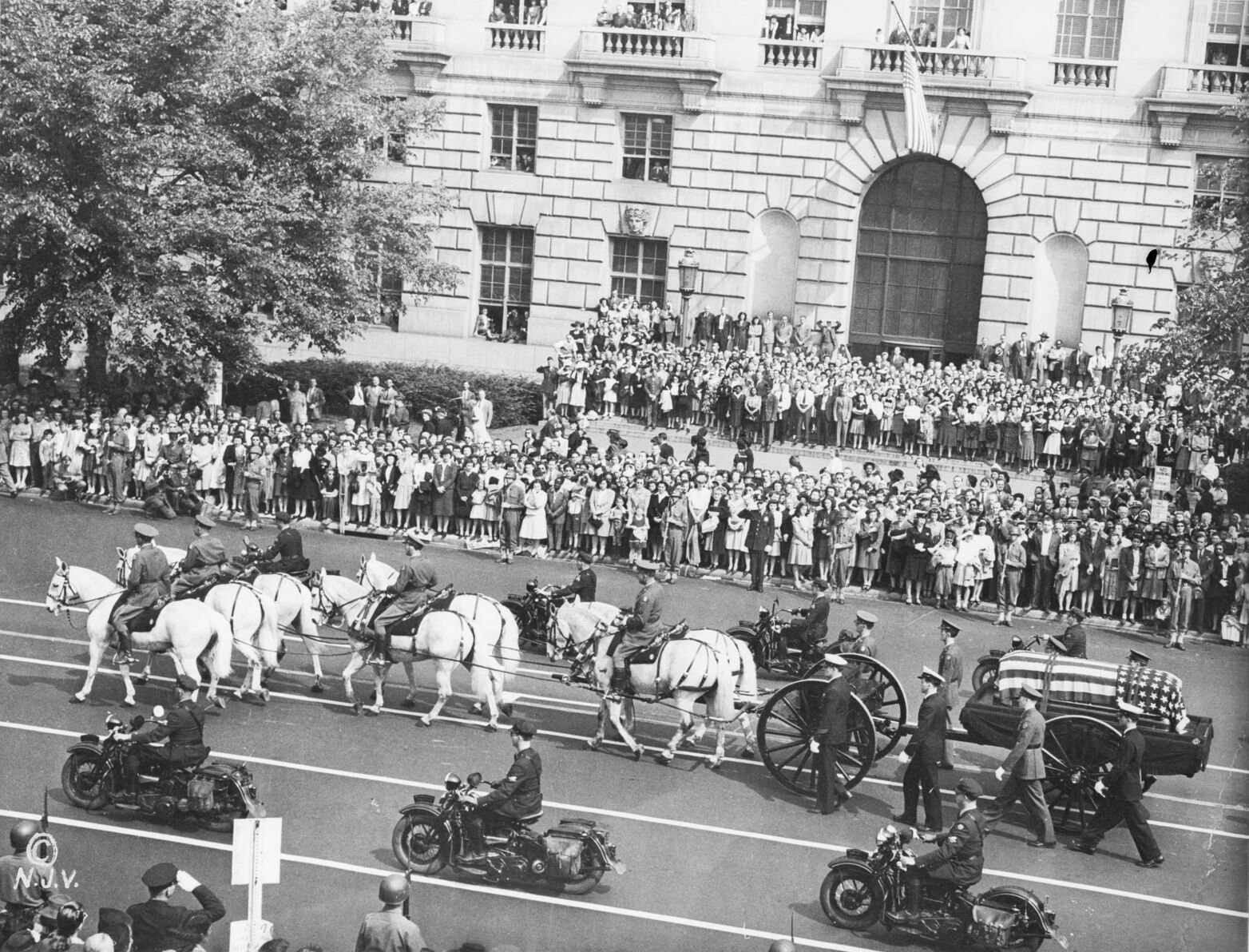
Harry S. Truman, sworn in as President, pledges to carry the war through.
The nations get a council for their quarrels, and this time the United States sits at the table.
Germany surrenders without conditions, and on V-E Day, his birthday, President Truman gives a nation still at war with Japan its watchword: work.
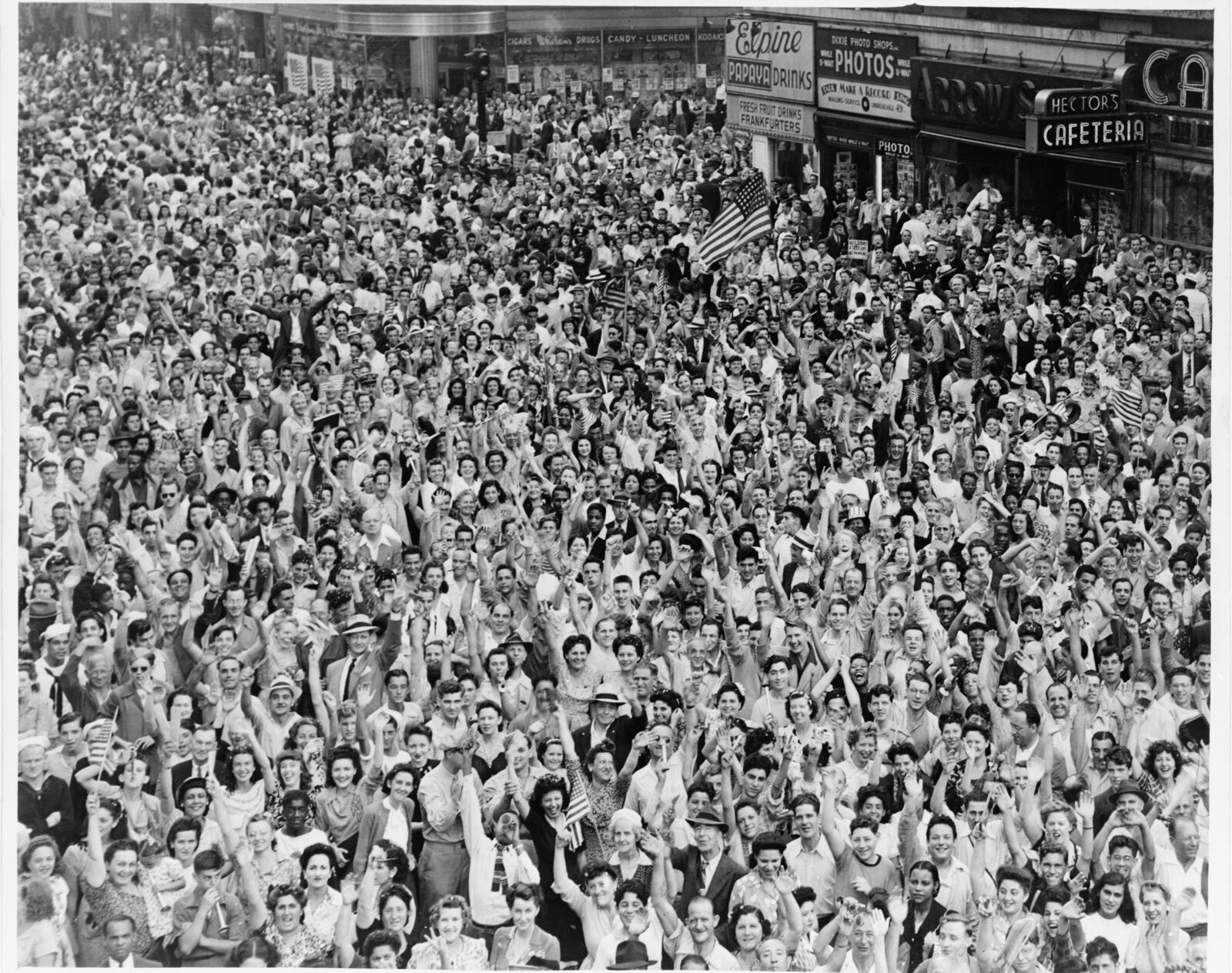
On the night of Aug. 14 crowds outside the White House call for President Truman, “We want Harry,” and Congress is called back for Sept. 5.
For the record, the year’s storms ran from Mississippi’s tornadoes to a hurricane over the Florida Keys.
More than a million families are living “doubled up,” the reconversion director says.
Gen. MacArthur, the Supreme Commander, reaches Yokohama as airborne troops land at Atsugi.
The Marine ace is freed from a prison camp, and men who flew with Colin Kelly, the bomber pilot killed in the war’s first week, tell how he fell.
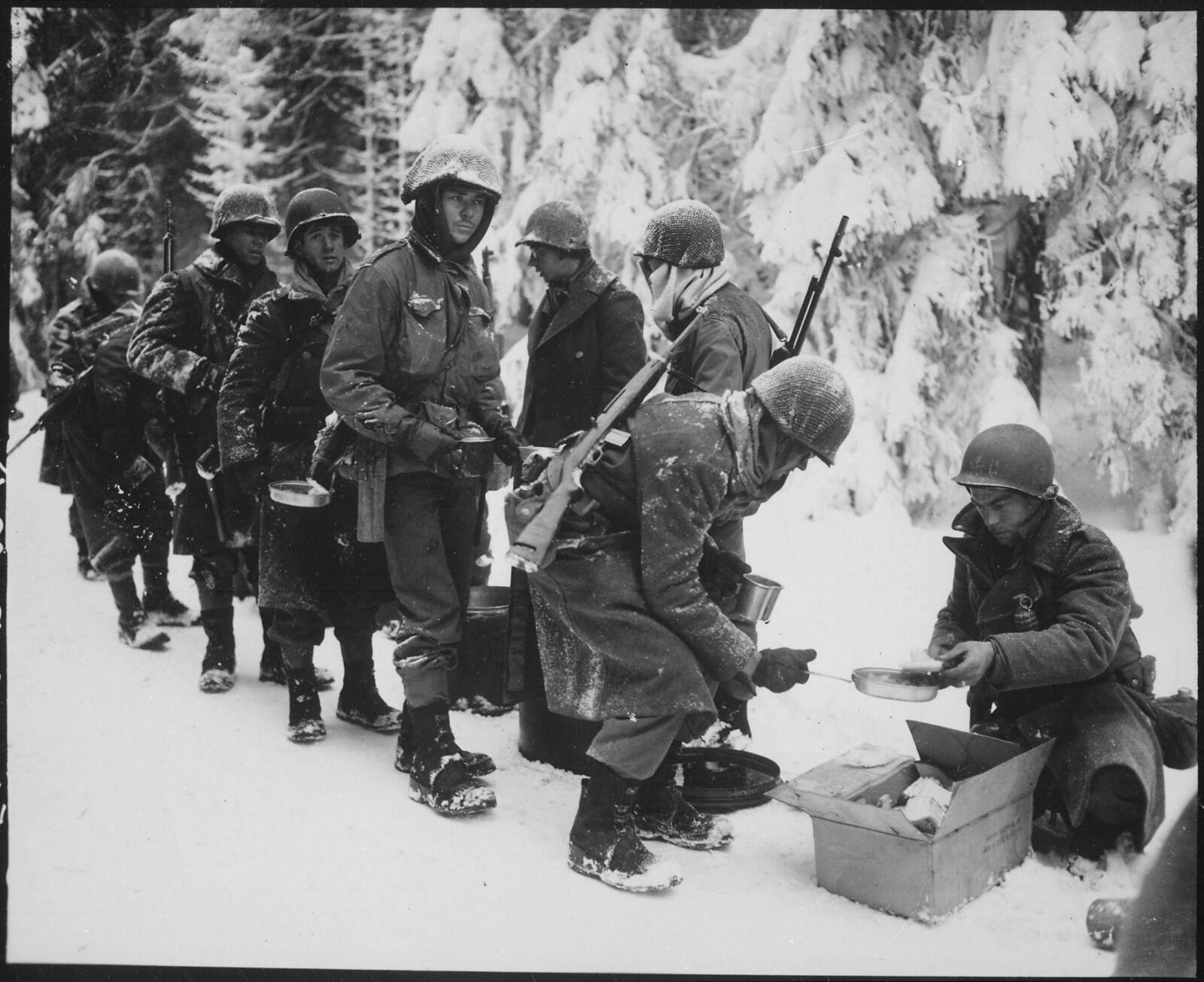
Prime Minister Churchill calls it “the greatest American battle of the war.”
The United Nations are to meet April 25 in San Francisco.
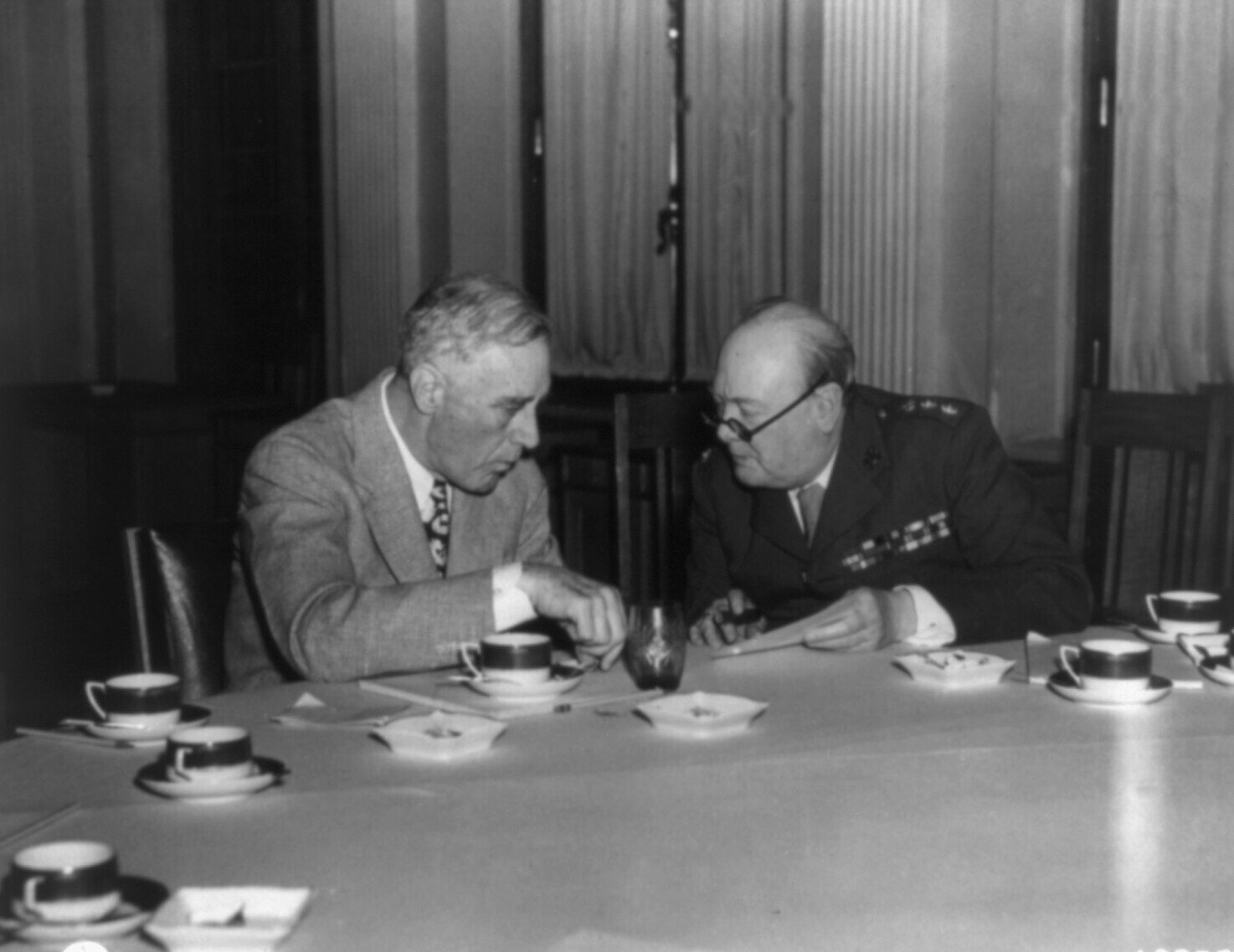
Two Royal Air Force waves strike civilians and refugees.
The new President was an artillery captain in the last war, a county judge and a Senator, and Vice-President for 82 days.
Caught in a German column on the road to Switzerland, he dies with Clara Petacci, his companion, as northern Italy rises against the Germans.
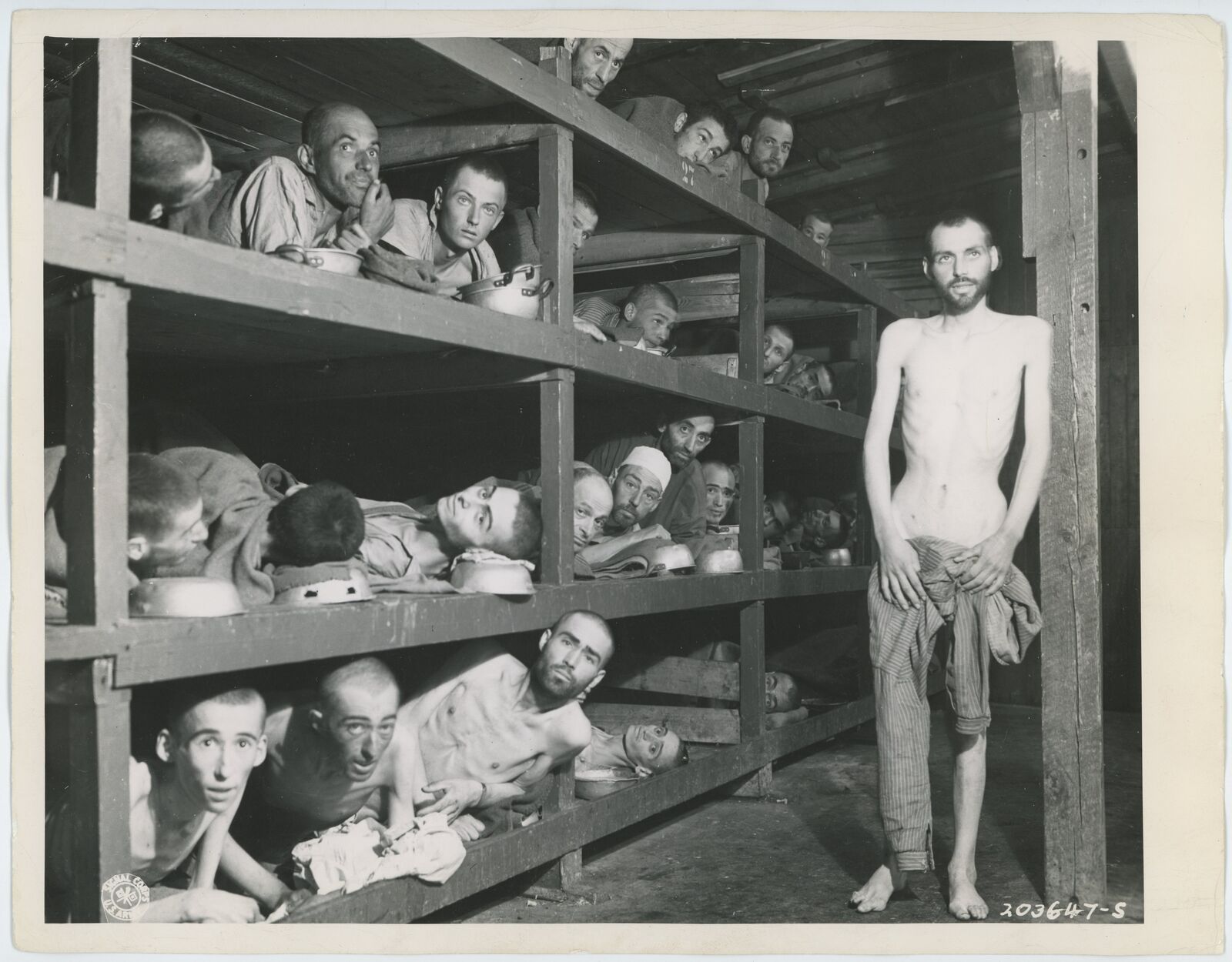
More than 20,000 are found alive at Buchenwald and about 55,000 at Belsen.
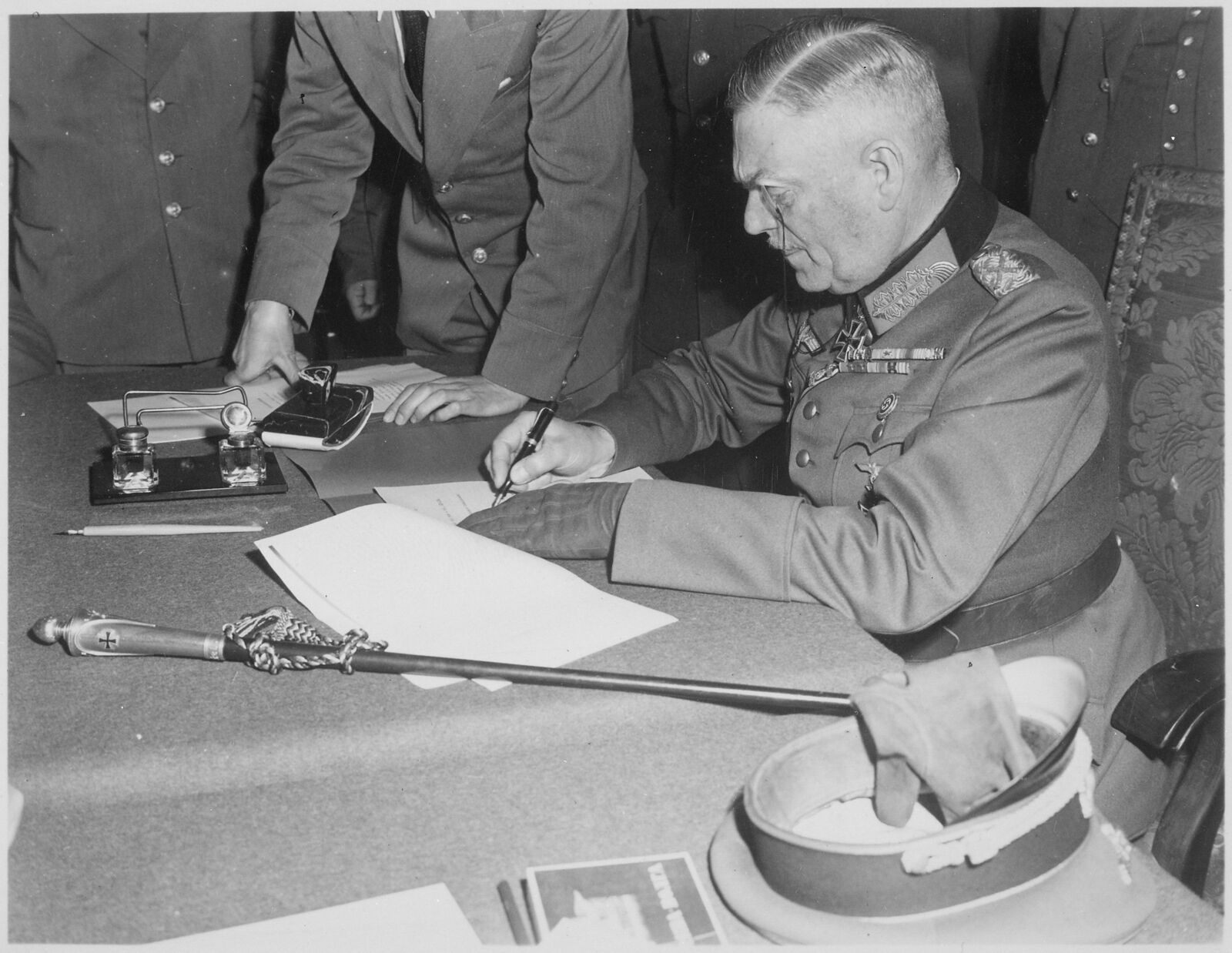
President Truman says Hitler, the Nazi dictator, is dead, and Admiral Doenitz, named his successor, orders Germany to fight on.
Germany is to be disarmed and ruled in four zones, the lands east of the Oder pass to Polish rule, and Japan is told to surrender.
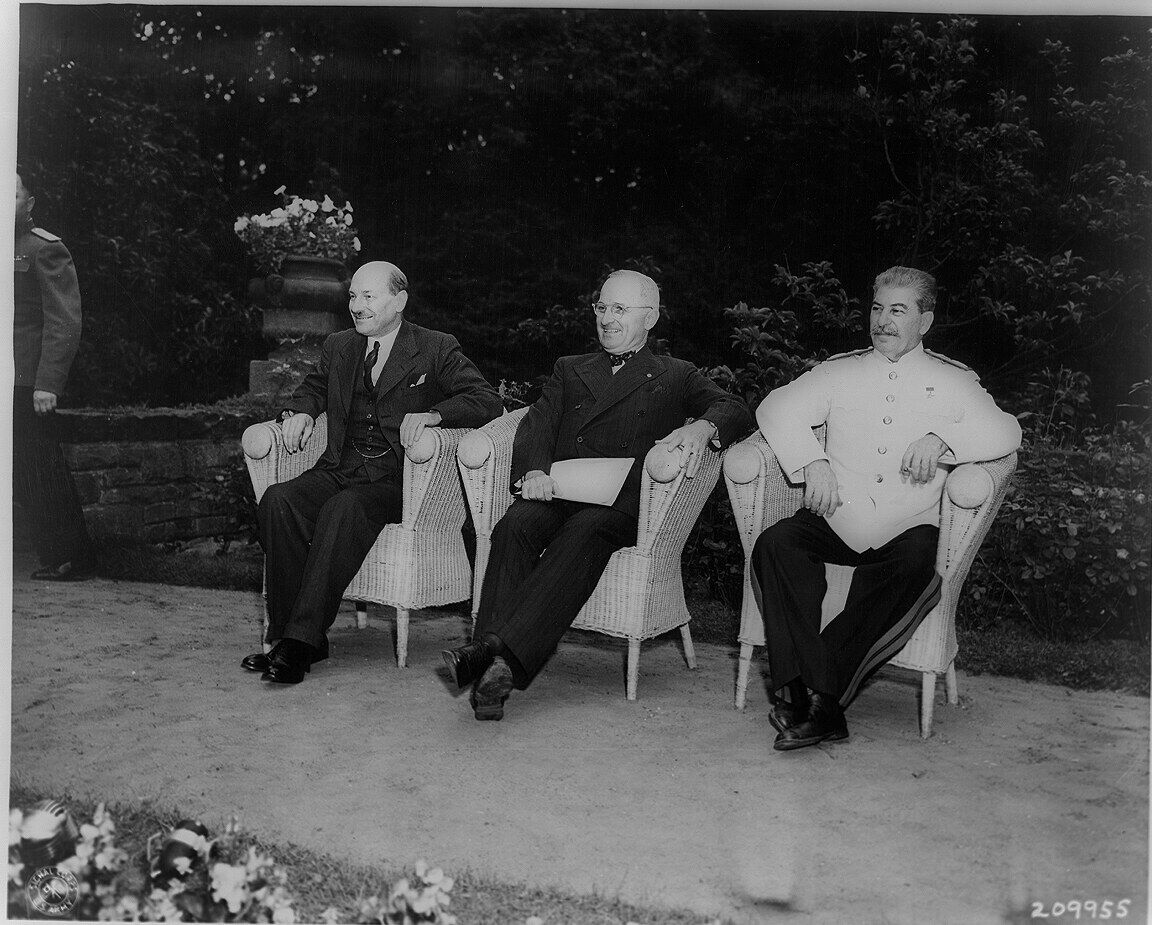
The four commanders, Eisenhower for America, Zhukov for Russia, Montgomery for Britain and de Lattre for France, took power over Germany in June.
Two readers trace every statement to its source, and only notes like this one speak in today’s voice.
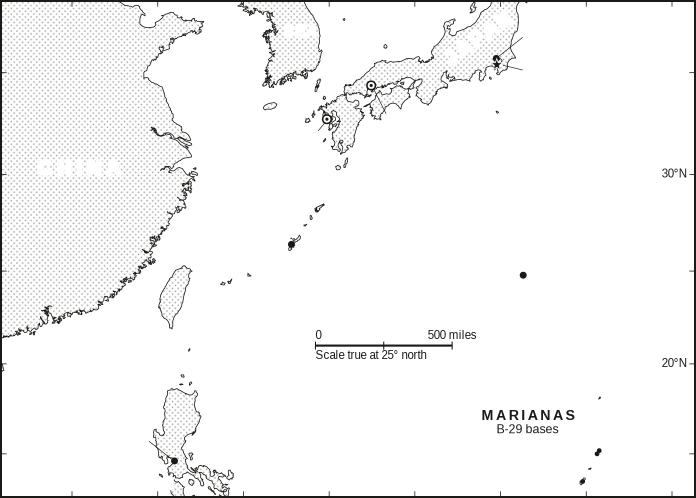
Iwo Jima took five weeks and Okinawa nearly twelve, and the two atomic bombs fell three days apart.
How 1944, the year of the great landings, set the stage for the victories of this one.
Truman asks for a permanent Fair Employment committee; Representative John Rankin and Senator James Eastland of Mississippi oppose it.
This fall it looked into radio programs and cleared the new party of Robert R. Reynolds, North Carolina’s Senator until January.
James F. Byrnes goes to State, lend-lease ends, the poet Ezra Pound is charged with treason and a cold snap comes before Christmas.
The Shelleys bought a house on Labadie Avenue; white neighbors ask a court to take it back.
State Senator Hooper, who had agreed to talk, was found shot in his burned car near Springport.
The Governor stays barred from a second term, and Georgia, the first state to let 18-year-olds vote, leads the South’s fight on freight rates.
Women at Fort Devens refused duty after being kept at orderly and kitchen work.
A druggist’s son from South Dakota, he helped join the Democrats and the Farmer-Laborites into one party last year.
The midnight curfew is lifted, a stage “Uncle Tom’s Cabin” is called off after Black leaders object, and a seeing-eye dog runs home for help.
Three saved from the New Guinea jungle; a B-29 flies Guam to Washington without a stop; James M. Curley is Mayor of Boston again.
Congress reaches for farm workers as storms kill more than 40.
Sailors walk off a troop train; the President flies back to Washington while other planes sit grounded.