WASHINGTON, Nov. 3
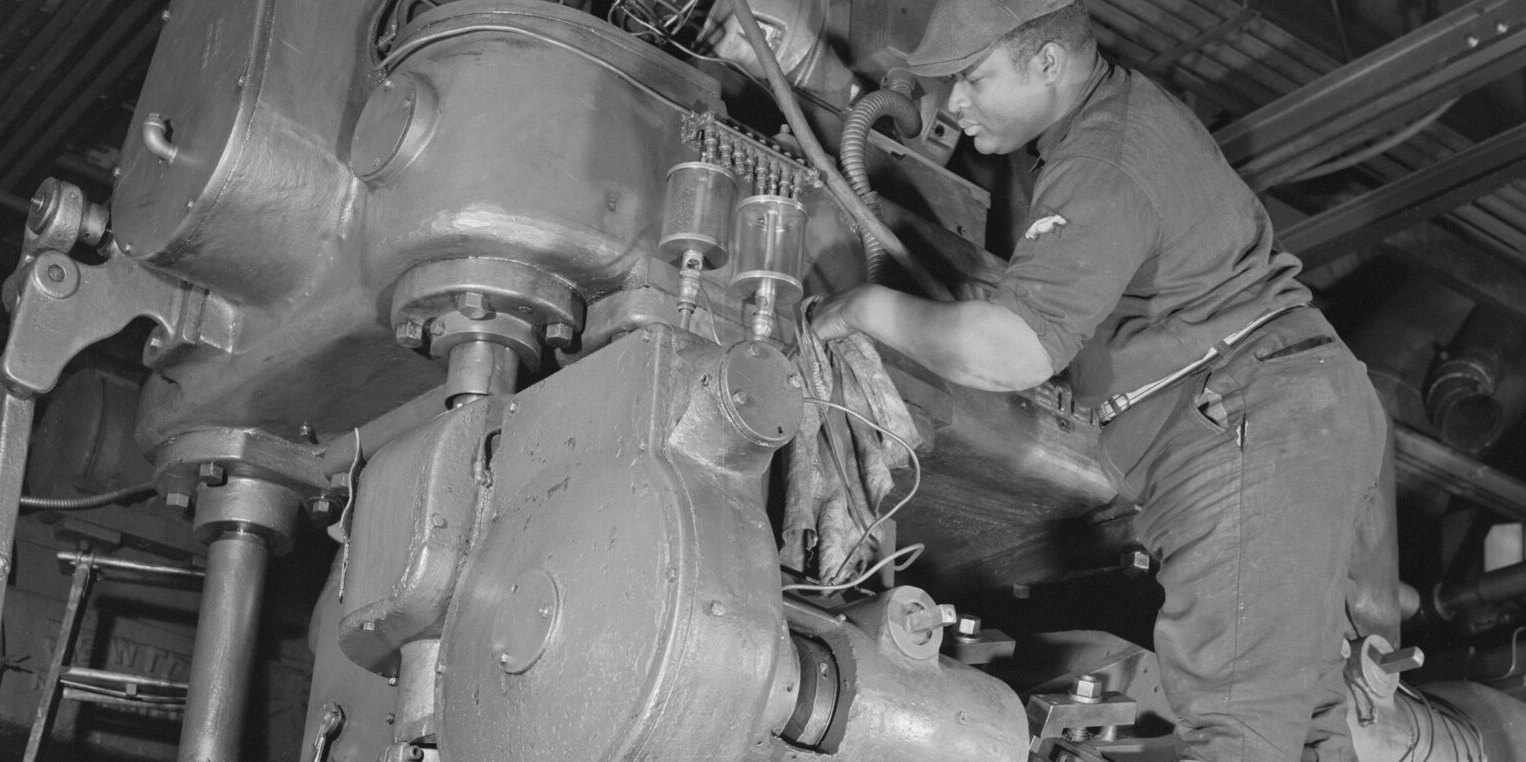
Peace reaches the factory floor, and the layoffs begin
Claims for jobless pay triple in a week, and in the war towns the rented rooms begin to stand empty.
The President turns down any plan to lift wages and prices together, and recalls where that led after the last war.
A motorist may buy all the tires he can find from New Year’s Day, though price ceilings and the wartime curbs on white-sidewall tires stay.
The country’s largest auto maker builds no cars, and families who have waited since 1942 for a new one go on waiting.
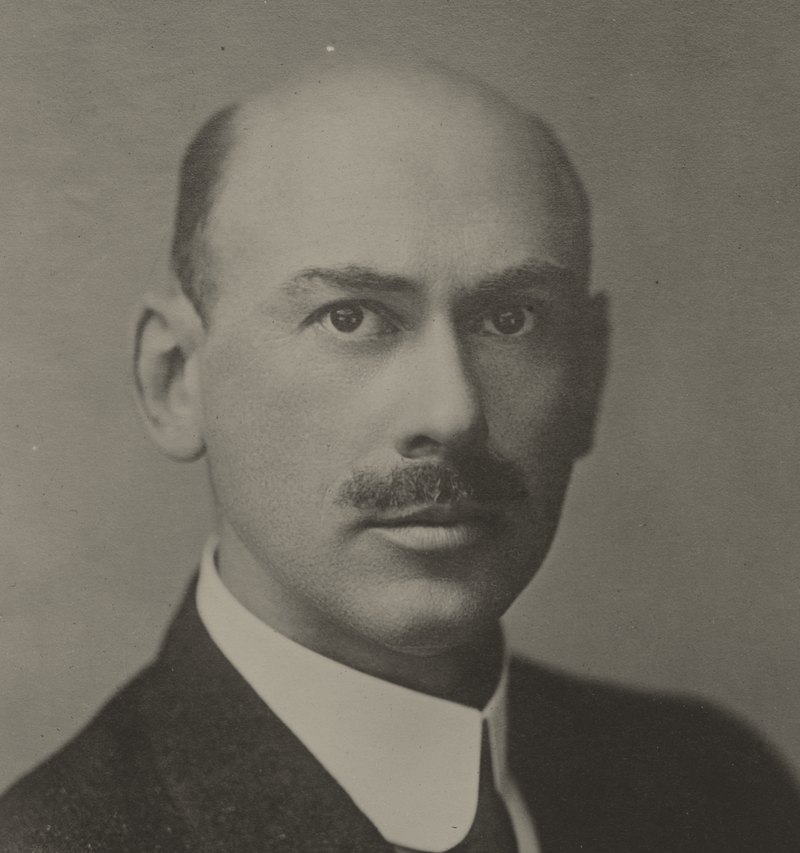
A newspaper once laughed at his talk of a rocket to the moon, and in this war the Navy came to him for rocket motors.
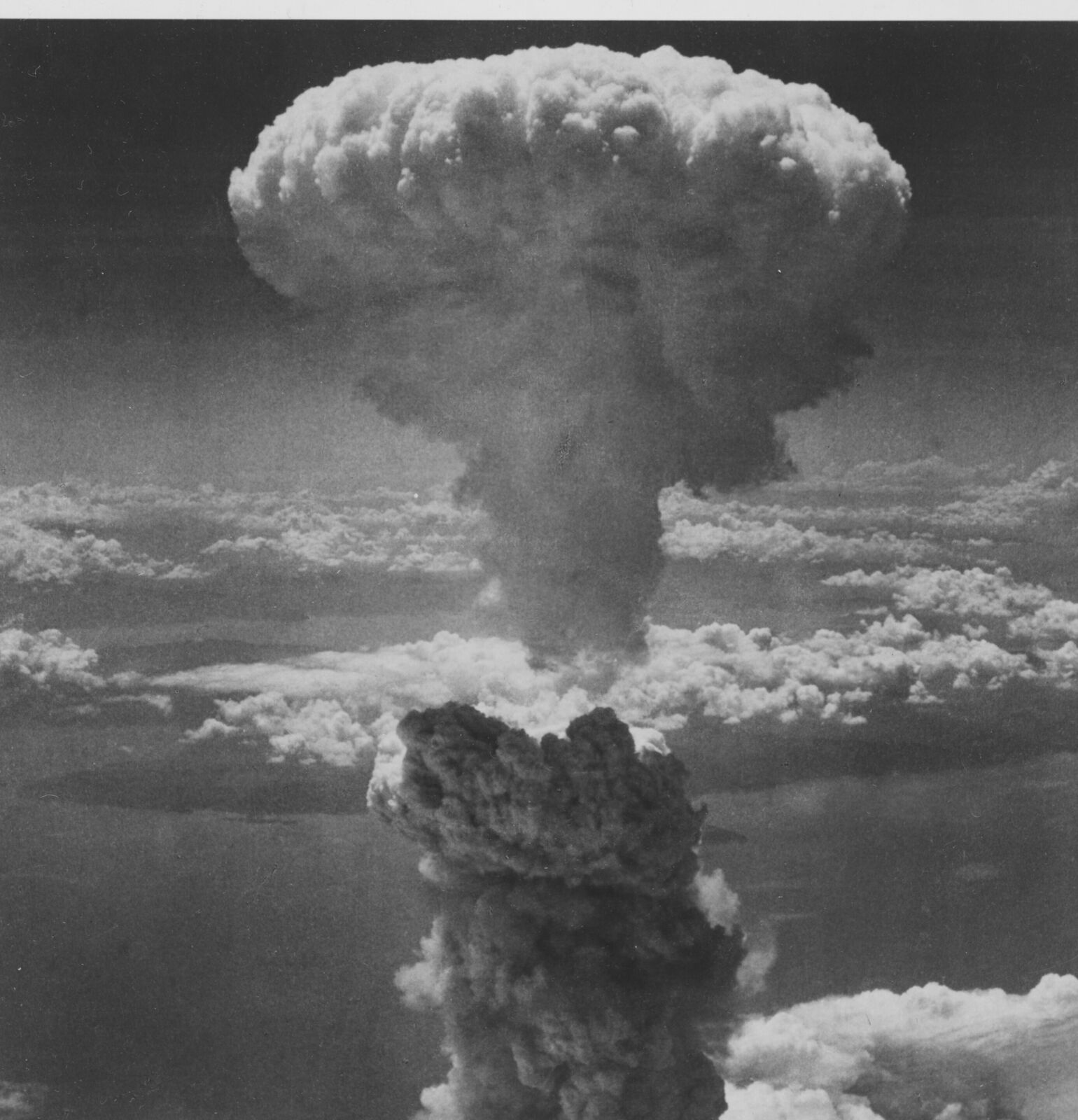
Professor Henry D. Smyth of Princeton explains the work within limits set by military security.
What a city family paid $1 for in the late 1930s cost about $1.30 by December, by the Government’s index of living costs.
President Truman orders the aid stopped at once, and the Allies must now bargain to buy the goods in their stockpiles or on the way.
Treasury Secretary Fred M. Vinson calls their work “a mission of peace.”
At two per cent, with fifty years to pay, the credit is to carry Britain through the hard years after the war.
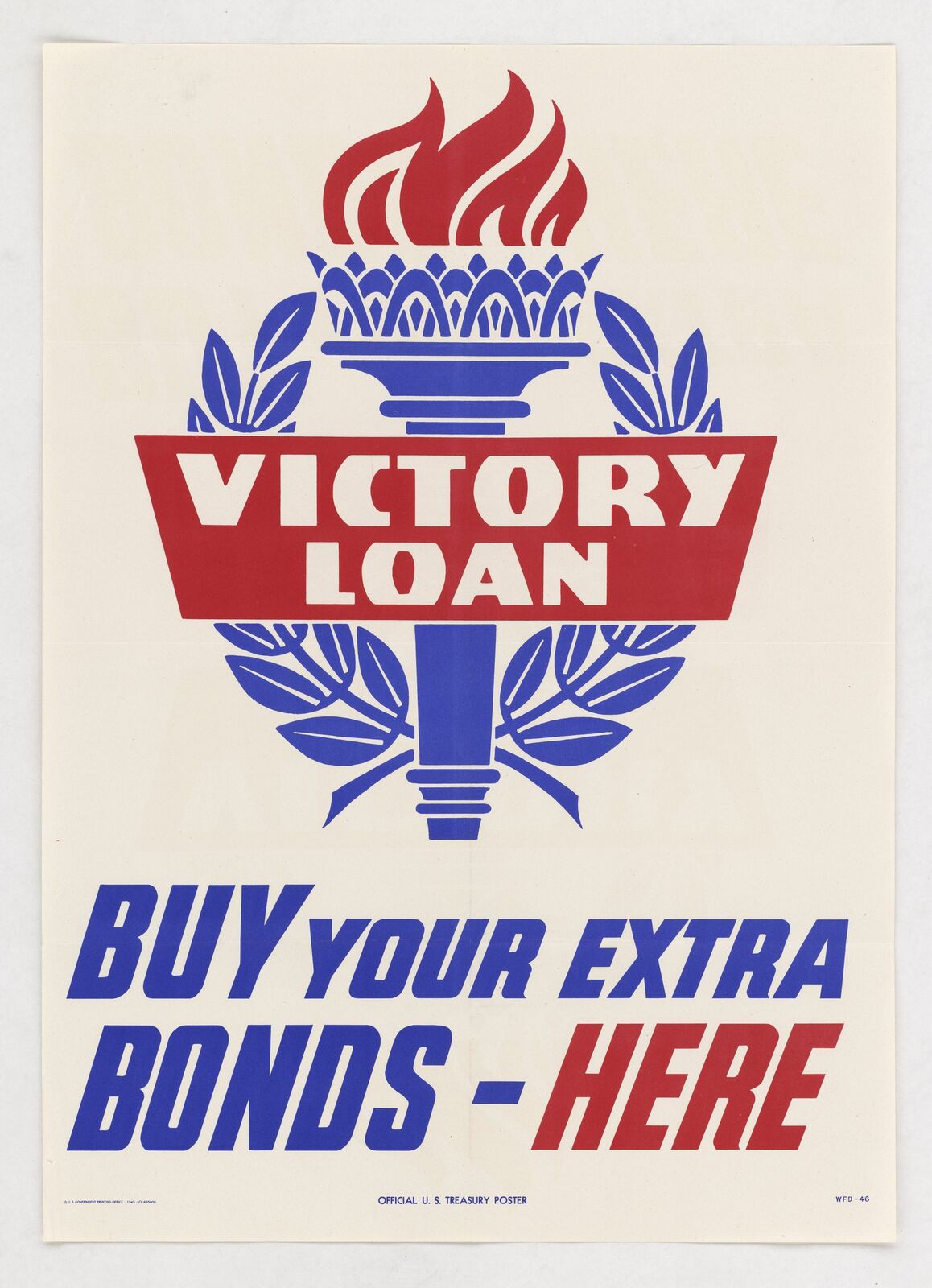
The drive ran six weeks, and its new $200 bond bears President Roosevelt’s portrait.
Henry Ford II, 28, takes the presidency as the founder retires.
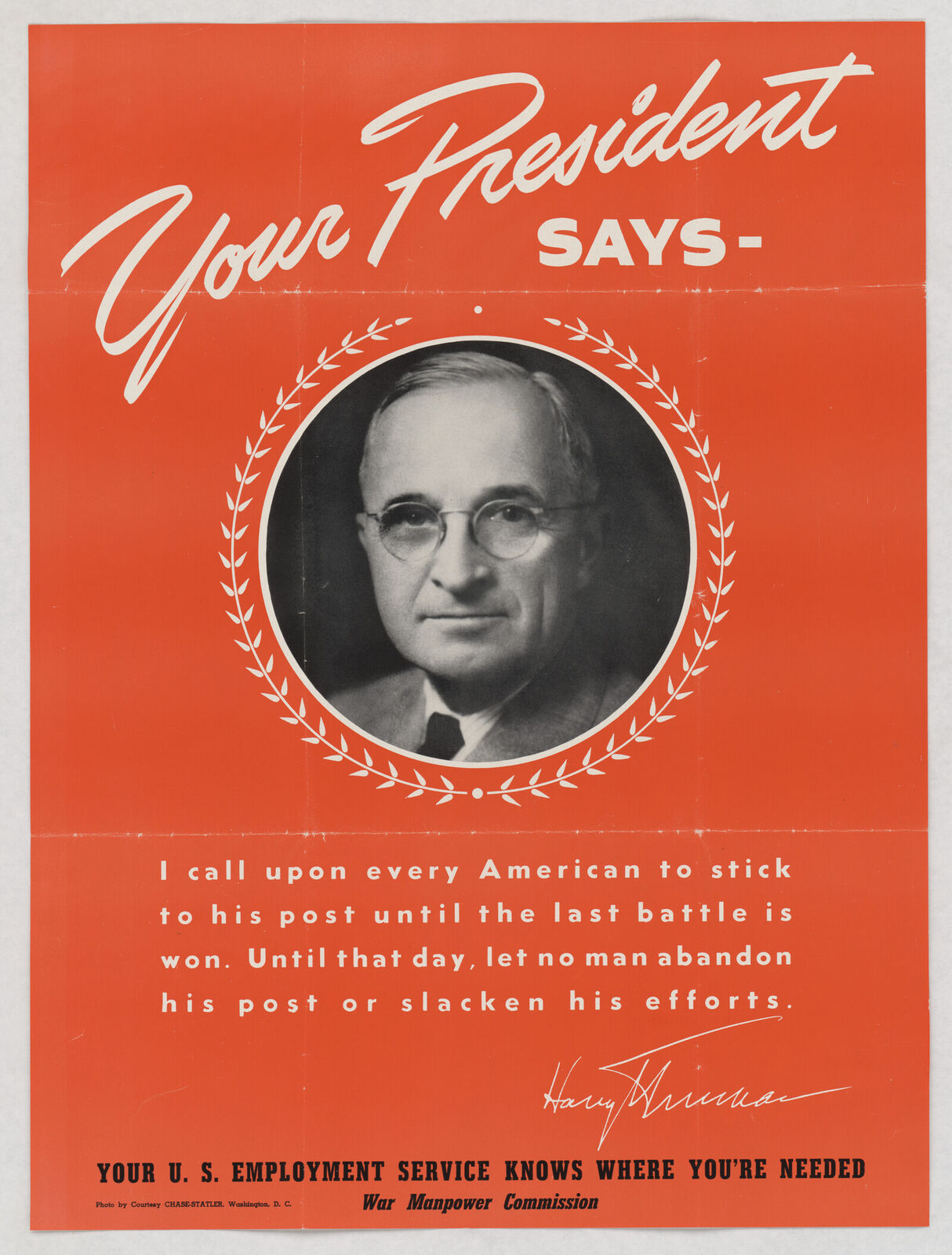
The posters asked war workers to stay on the job until the last battle, farmers to grow more sugar beets and the plants to keep the cartridges coming.
Ford shows its first new passenger cars since 1942 on October 26, which it calls “V-8 Day.”
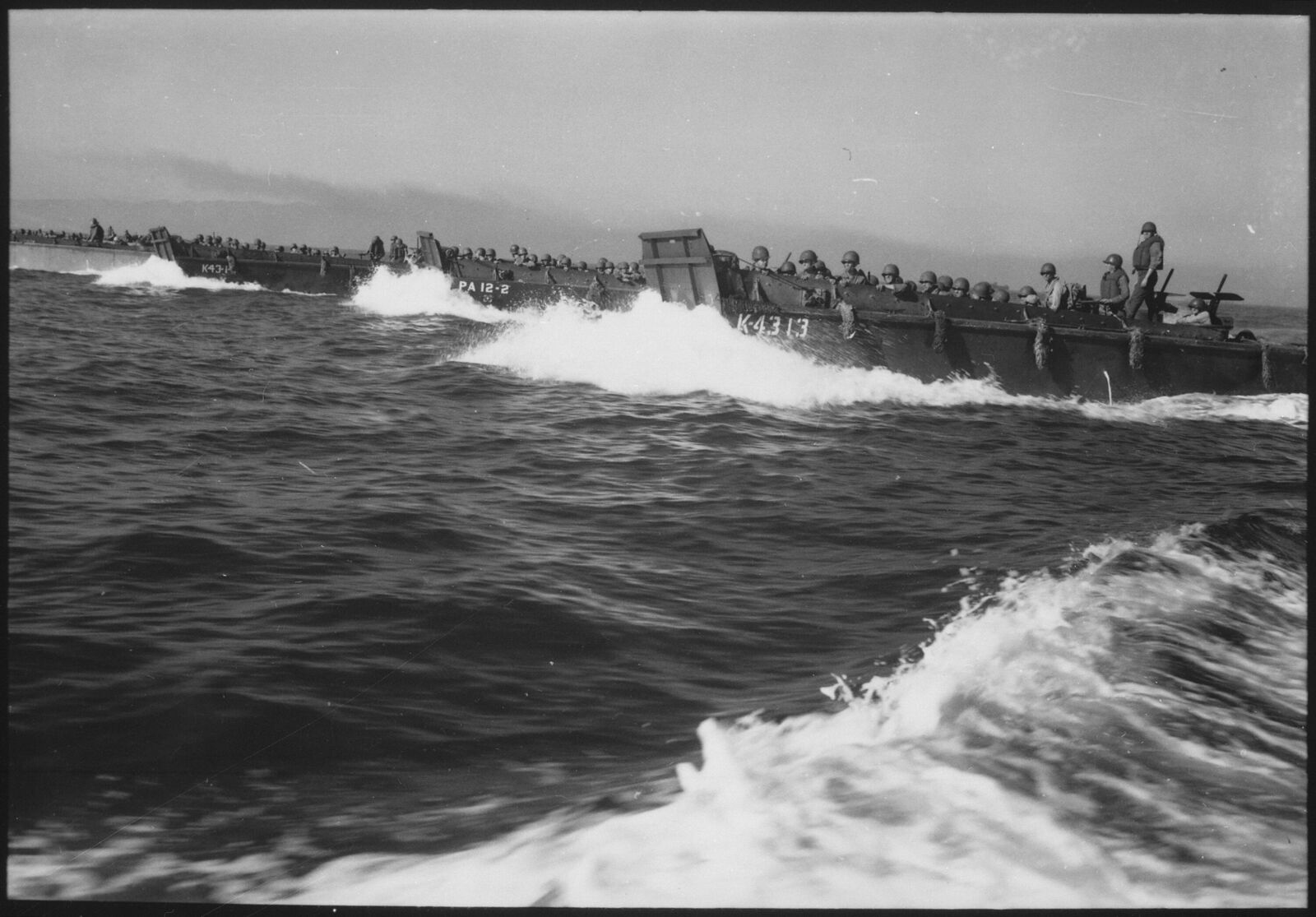
The pictures run from Luzon’s first wave ashore to the first Black women in the Navy’s women’s reserve, the WAVES, at its hospital school.
A tiny ball, not a nib, rolls the ink, and the pen costs $12.50.
Christmas shoppers watch a shipyard engineer’s toy, the Slinky, step down a board.