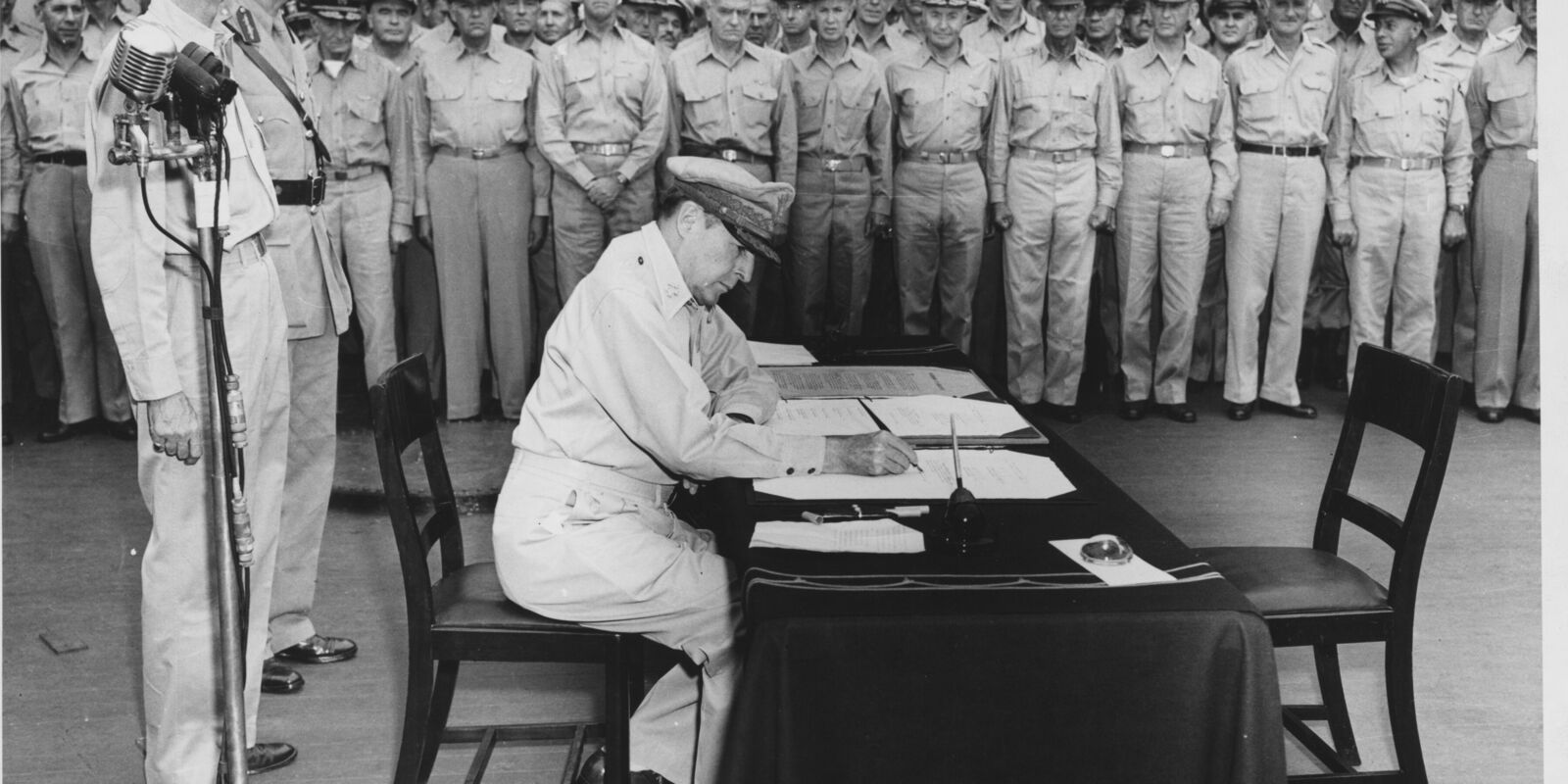
ABOARD U.S.S. MISSOURI, TOKYO BAY, Sept. 2
Japan signs on the Missouri
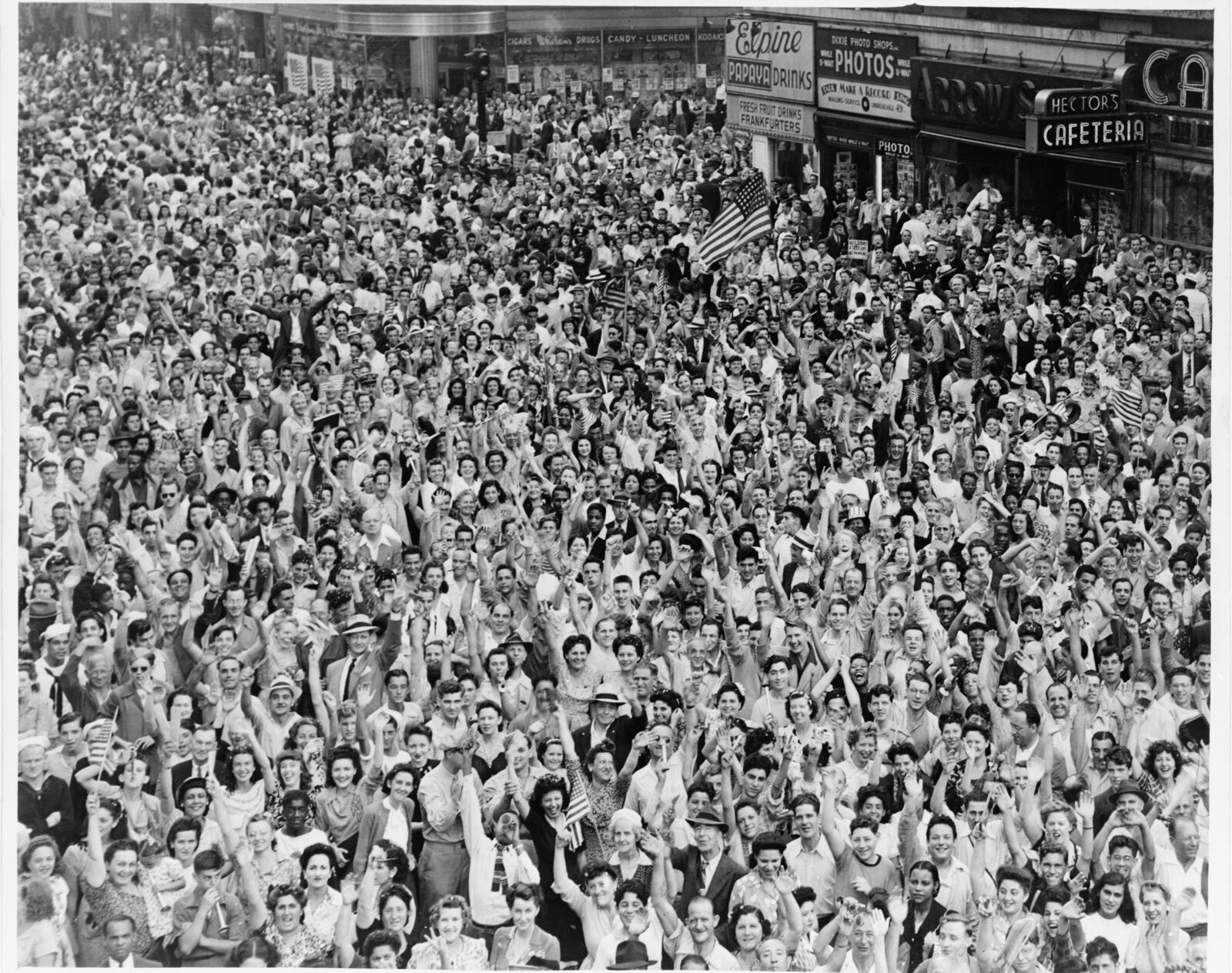
General MacArthur accepts for the Allies with two generals freed from Japanese prison camps beside him, and at home the President proclaims V-J Day.
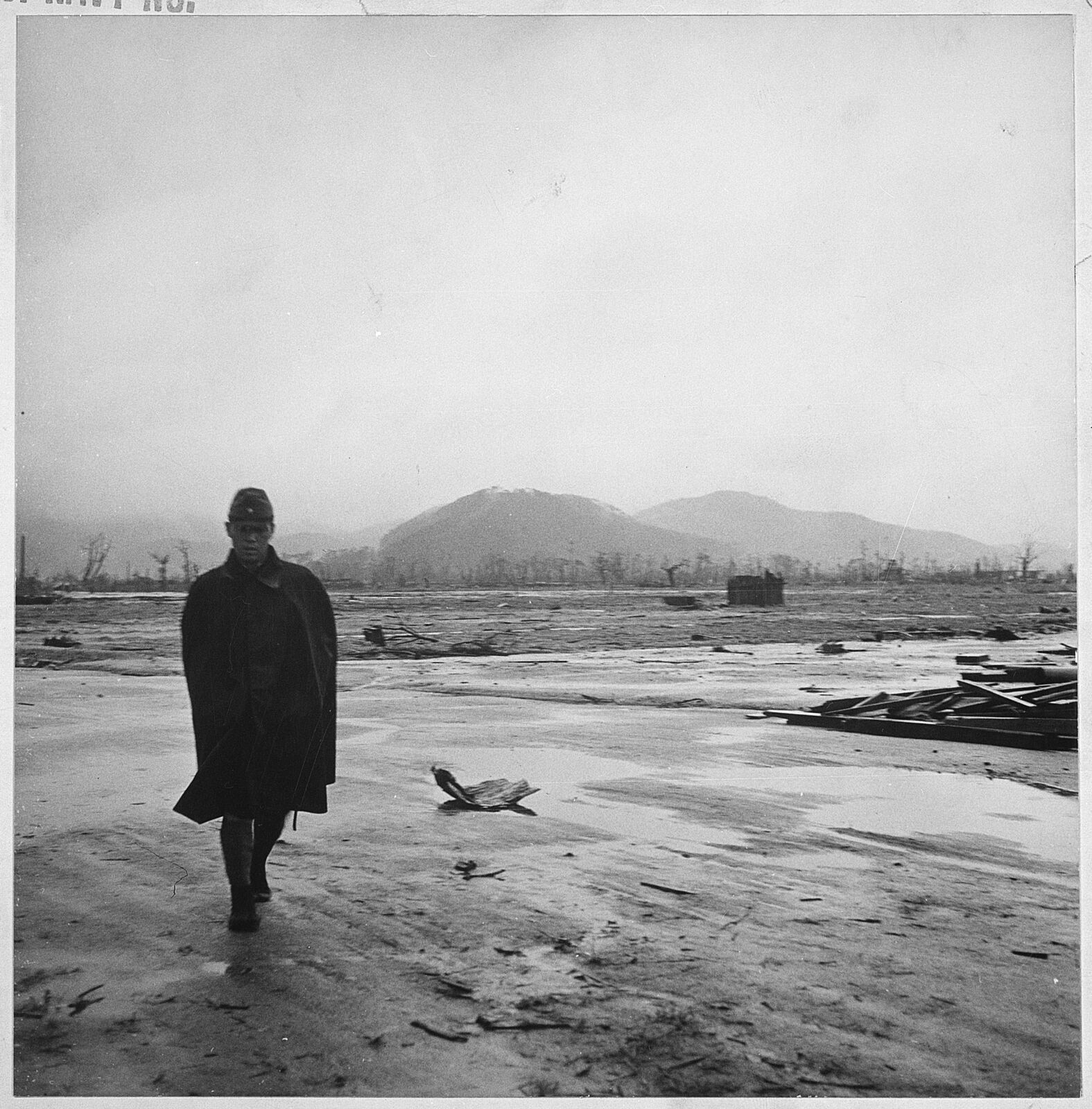
It is the first atomic bomb used in war, and the President warns Japan that more will follow if it does not yield.
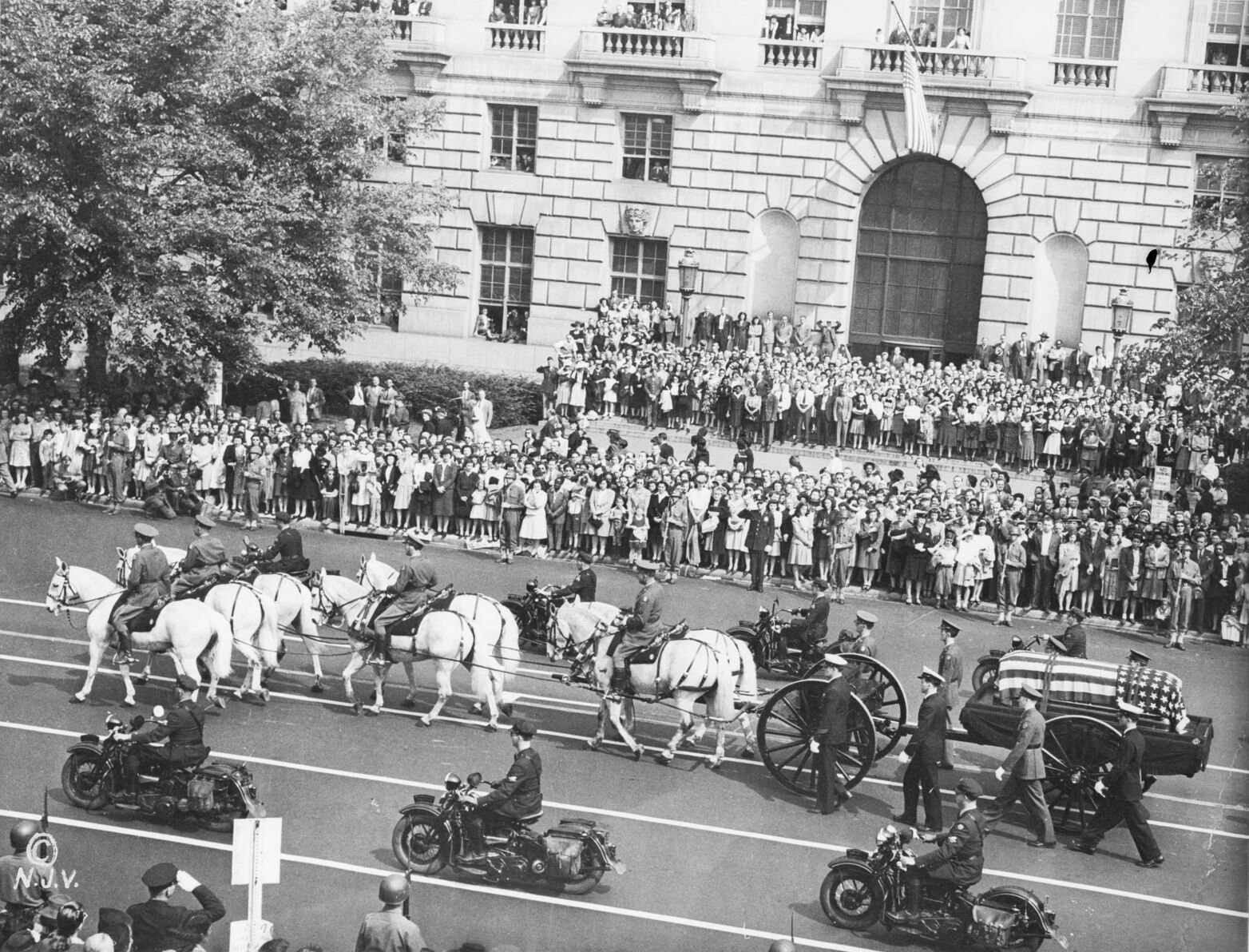
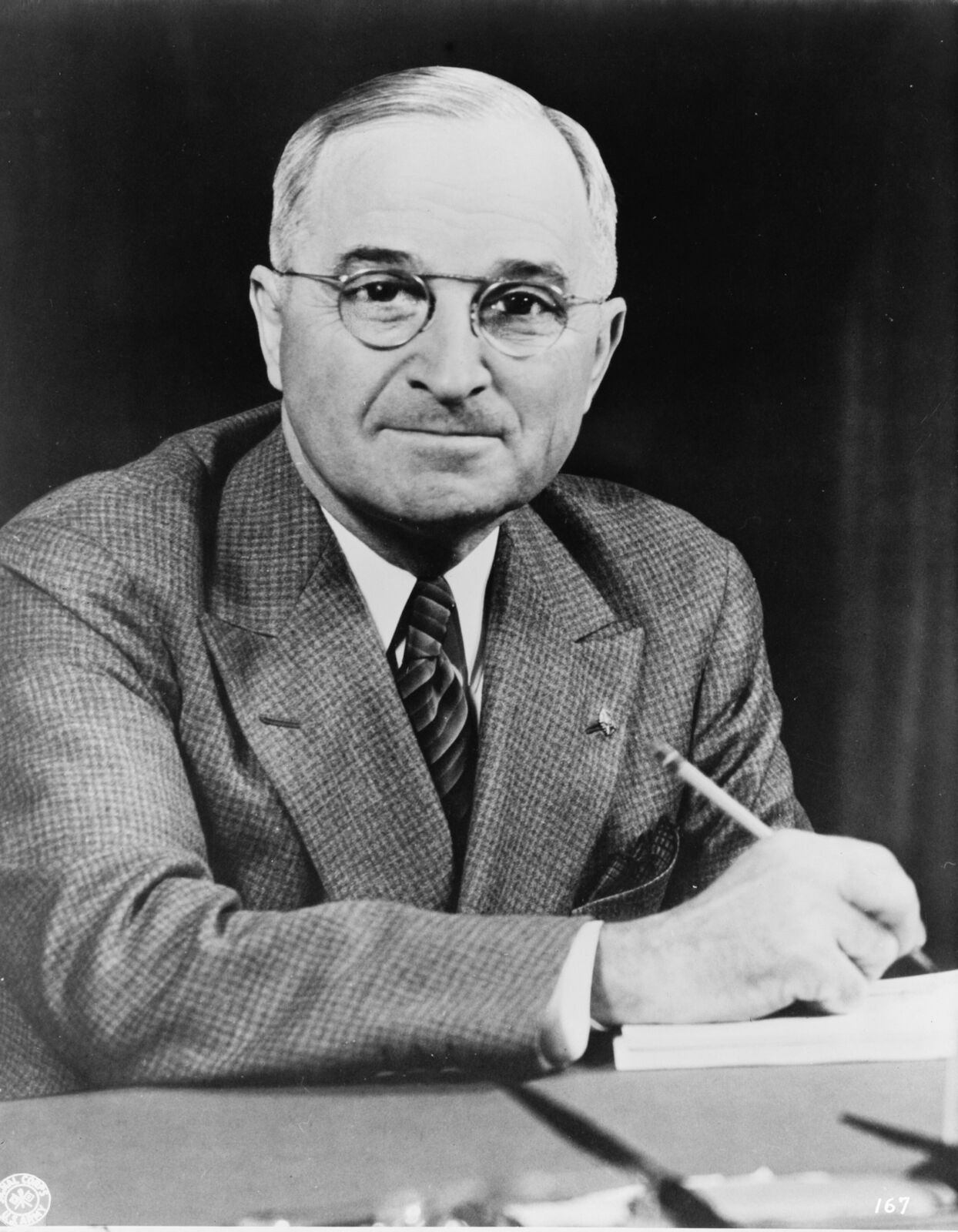
Harry S. Truman, sworn in as President, pledges to carry the war through.
The nations get a council for their quarrels, and this time the United States sits at the table.
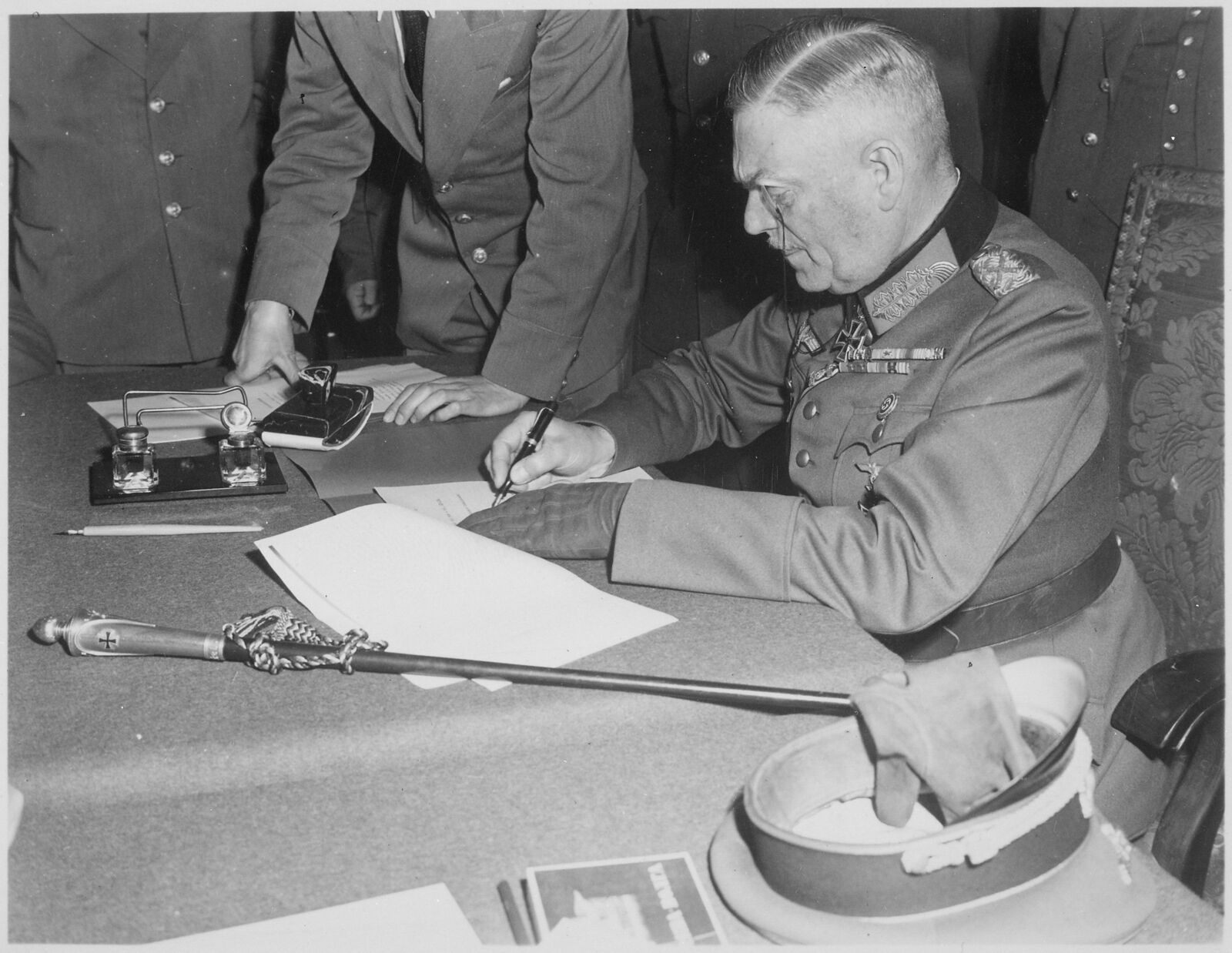
Germany surrenders without conditions, and on V-E Day, his birthday, President Truman gives a nation still at war with Japan its watchword: work.
On the night of Aug. 14 crowds outside the White House call for President Truman, “We want Harry,” and Congress is called back for Sept. 5.
For the record, the year’s storms ran from Mississippi’s tornadoes to a hurricane over the Florida Keys.
More than a million families are living “doubled up,” the reconversion director says.
Gen. MacArthur, the Supreme Commander, reaches Yokohama as airborne troops land at Atsugi.
The Marine ace is freed from a prison camp, and men who flew with Colin Kelly, the bomber pilot killed in the war’s first week, tell how he fell.
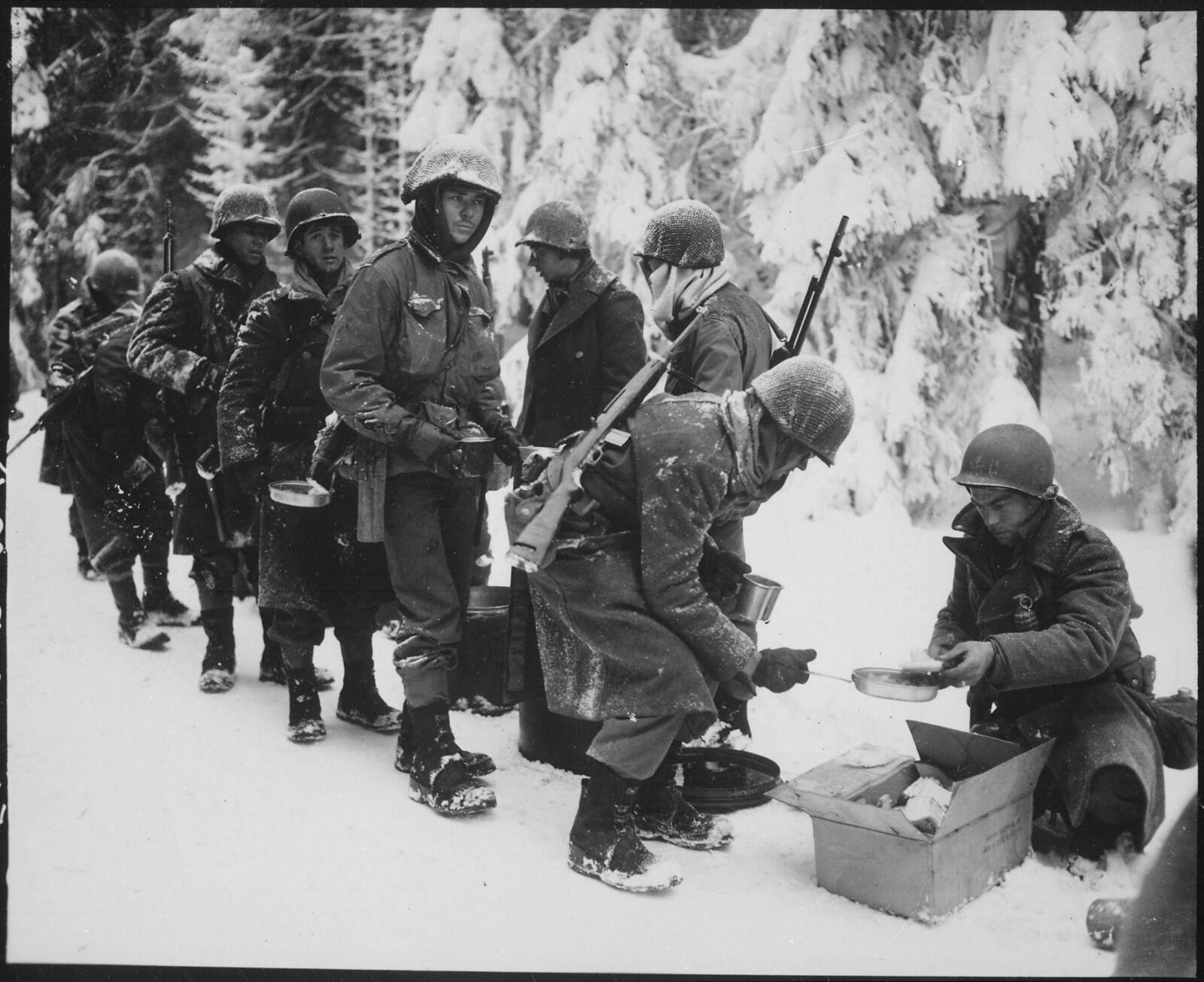
Prime Minister Churchill calls it “the greatest American battle of the war.”
The United Nations are to meet April 25 in San Francisco.
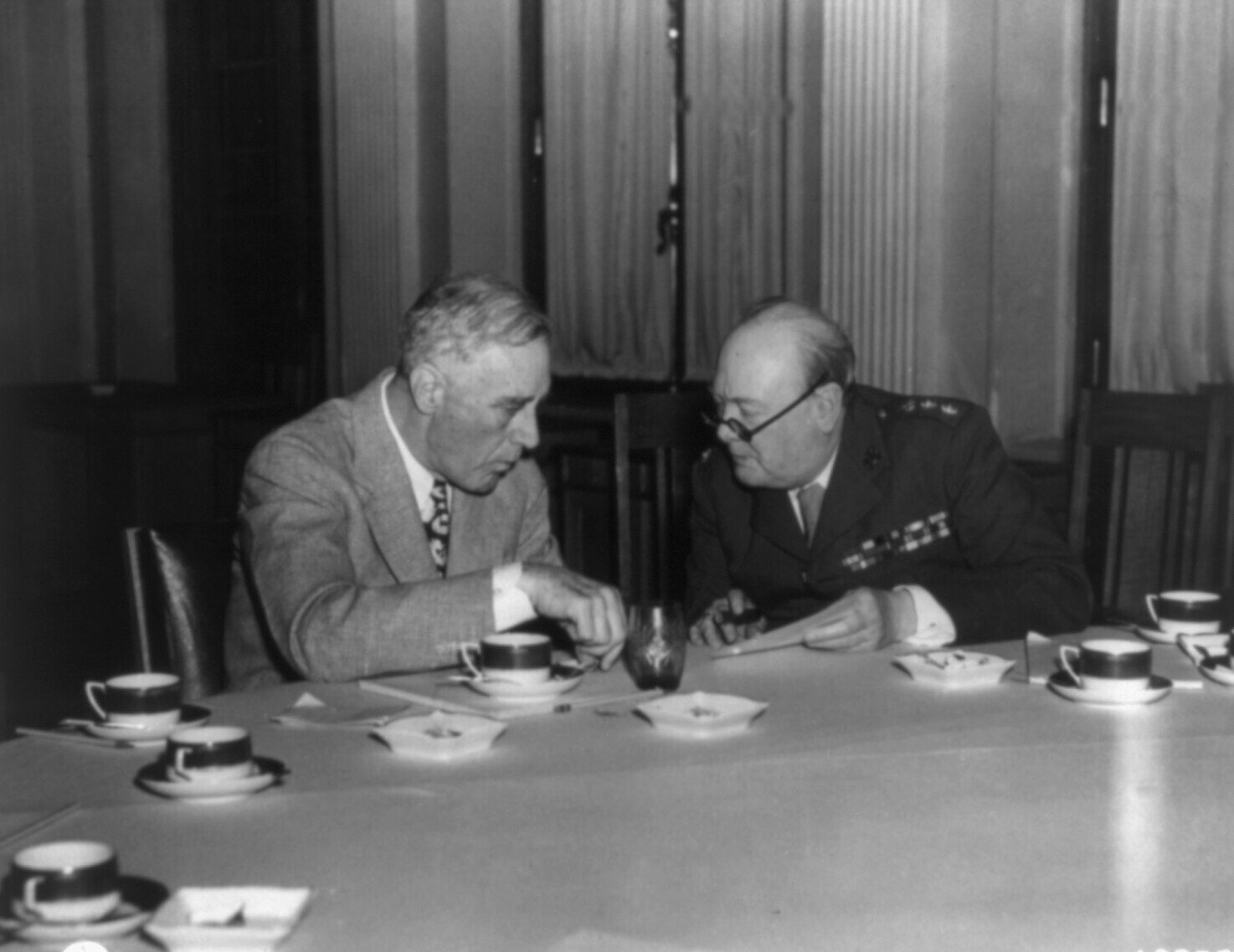
Two Royal Air Force waves strike civilians and refugees.
The new President was an artillery captain in the last war, a county judge and a Senator, and Vice-President for 82 days.
Caught in a German column on the road to Switzerland, he dies with Clara Petacci, his companion, as northern Italy rises against the Germans.
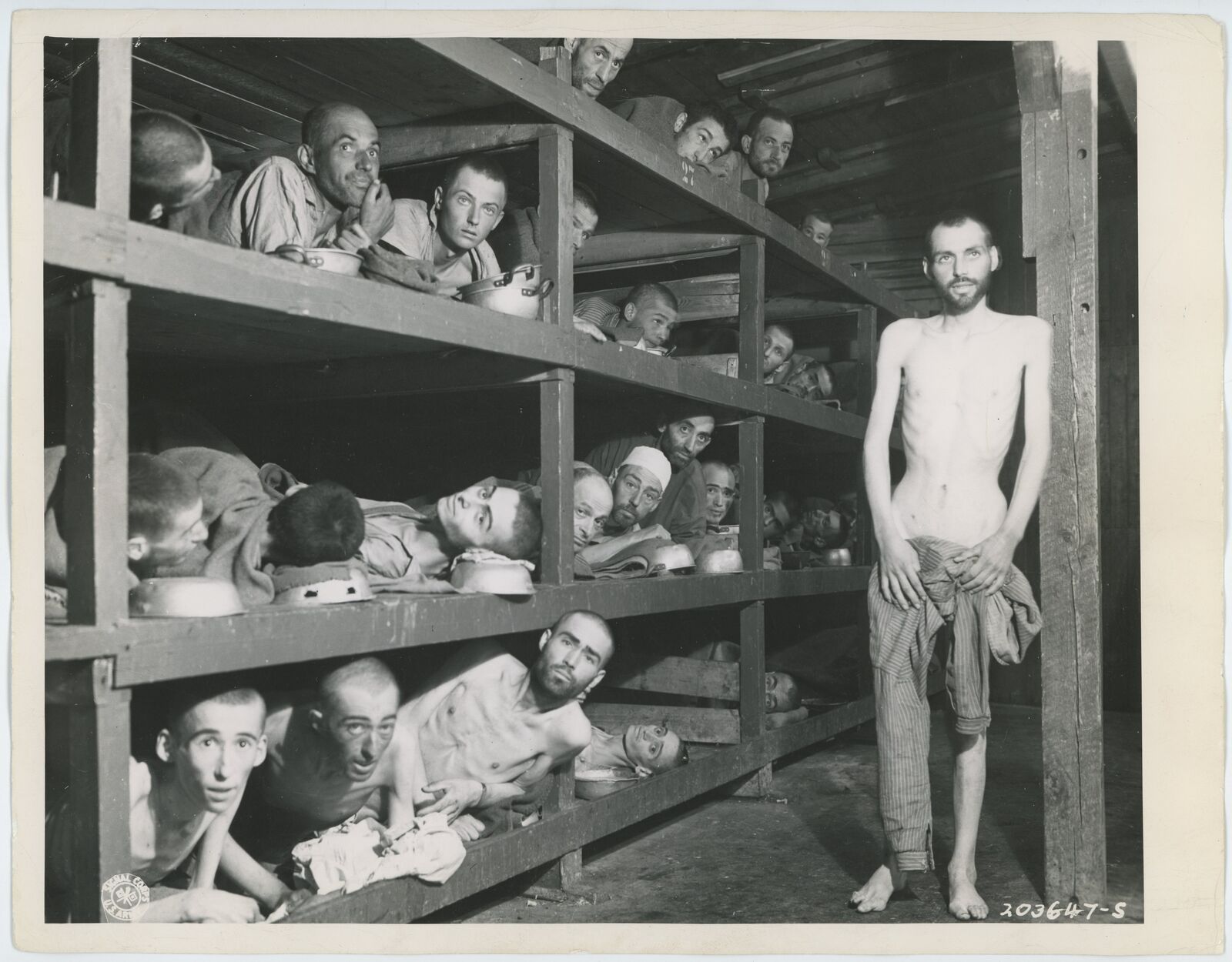
More than 20,000 are found alive at Buchenwald and about 55,000 at Belsen.
President Truman says Hitler, the Nazi dictator, is dead, and Admiral Doenitz, named his successor, orders Germany to fight on.
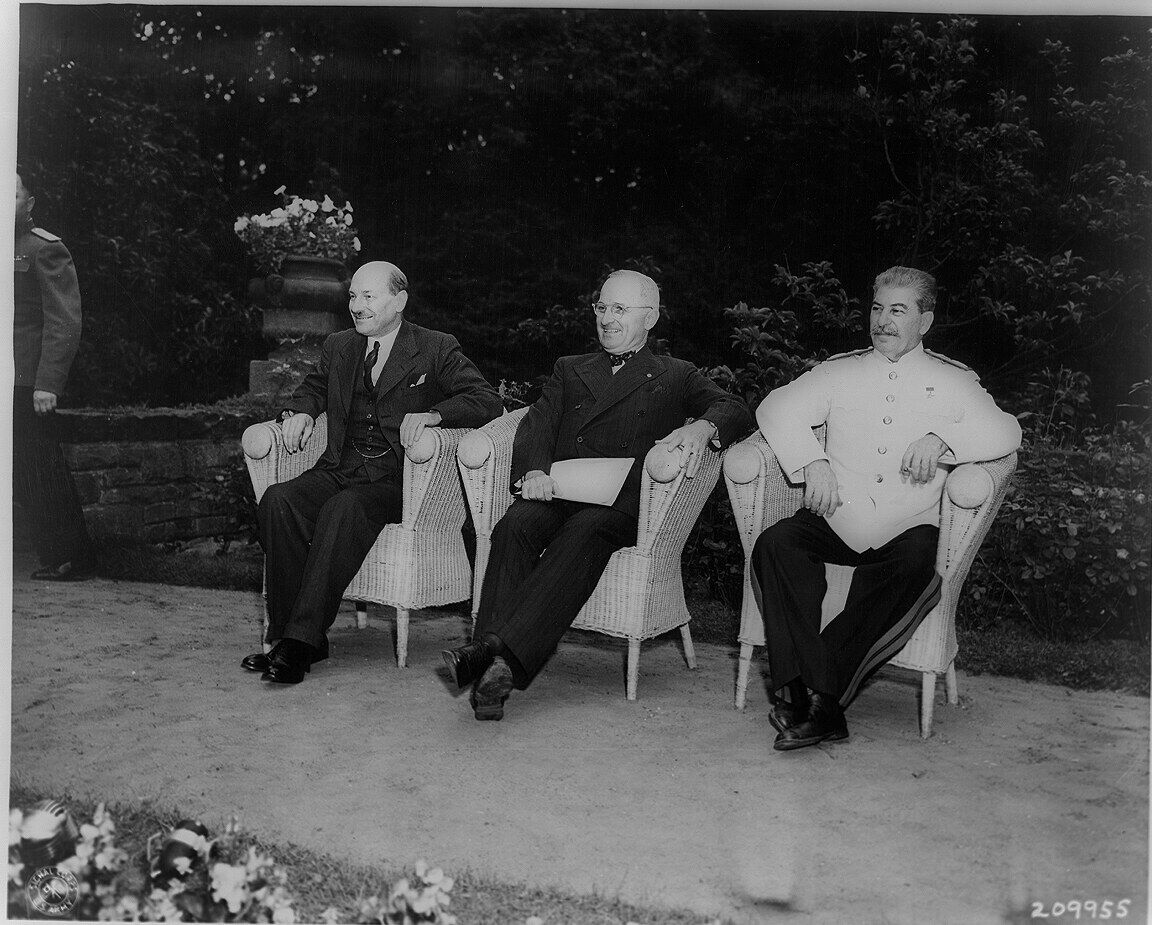
Germany is to be disarmed and ruled in four zones, the lands east of the Oder pass to Polish rule, and Japan is told to surrender.
The four commanders, Eisenhower for America, Zhukov for Russia, Montgomery for Britain and de Lattre for France, took power over Germany in June.
On Okinawa he stayed on the summit under fire and lowered the wounded one by one down the 400-foot cliff on a rope.
The new flag is to fly first over the carrier Franklin D. Roosevelt, and forty-eight stars, one for every state, now ring the eagle.
The President lays down twelve principles for American conduct abroad.
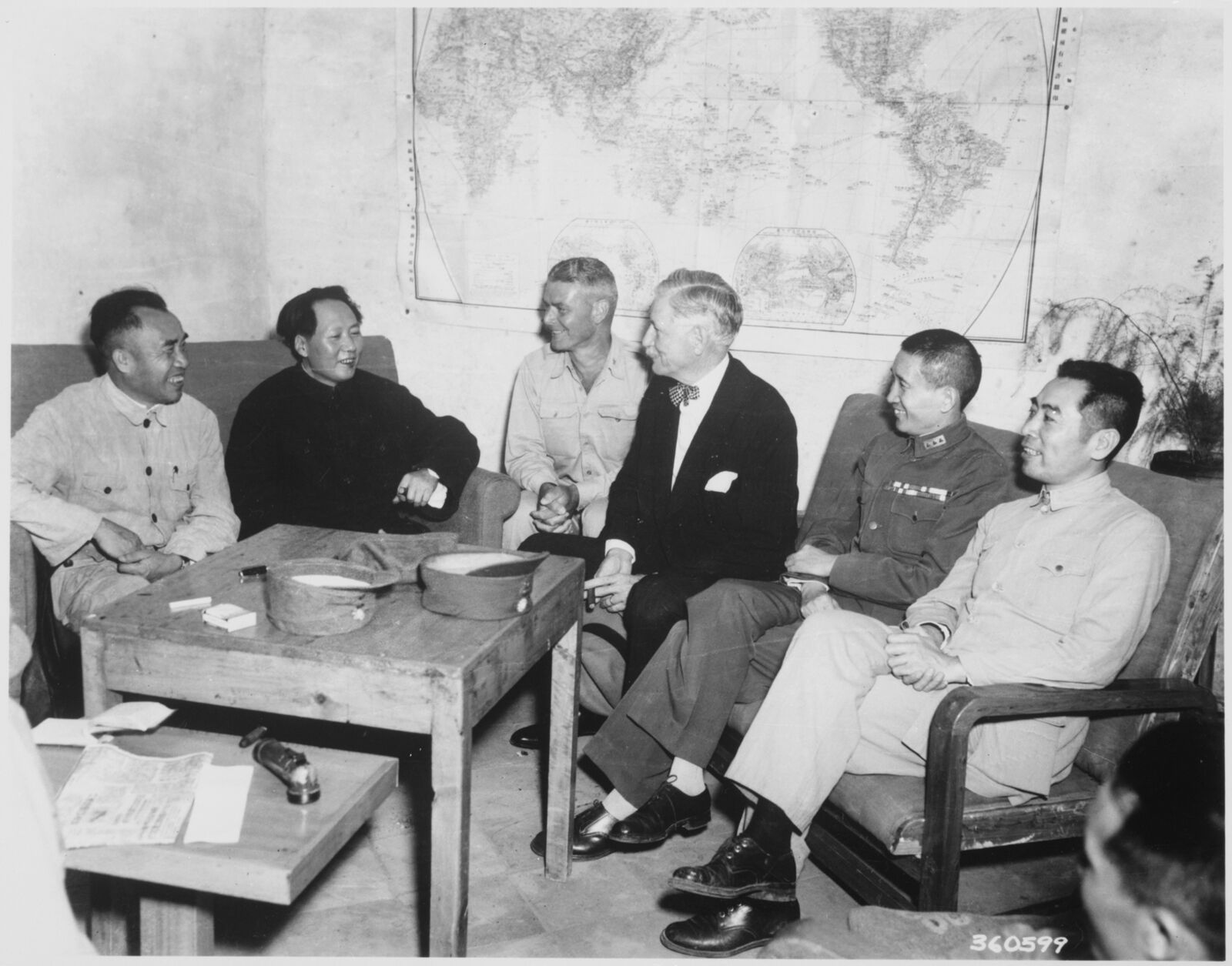
The Communist armies’ future remains unsettled.
Workers who lost their wartime overtime are striking for raises to win back the pay, and the count rises by 17,000 in a week.
Men swim the Riachuelo when the police raise the bridges, and late at night Perón asks the crowd from a balcony to go home in peace.
Twenty plead not guilty before judges of the four Allied powers.
Eisenhower becomes Chief of Staff with millions of men to bring home.
Some 15,000,000 Americans live where there is no proper hospital, and the plan would spread the doctor’s bill through regular payments.
Truman sends the former Army Chief to help stop the fighting.
General Eisenhower backs universal training.
William O’Dwyer, the former Brooklyn District Attorney, wins with more than a million votes and ends twelve Republican years at City Hall.
Thomas A. Burke, the law director who took over the Mayor’s office when Frank J. Lausche became Governor, beats the Republican Ray C. Miller.
Richard T. Frankensteen, vice-president of the United Automobile Workers, led until midnight, and labor’s bid for City Hall is beaten.
Frank Sinatra, the singer, came to plead for peace, and the State has promised an inquiry into the school.
Wage earners and corporations both pay less next year, and the excess-profits tax of the war years is dead.
President Truman appeals for common ground.
Its workers, most of them women, built more than half of the Army’s C-47 cargo planes before the plant shut on Aug. 17.
President Truman, Prime Minister Attlee of Britain and Prime Minister Mackenzie King of Canada ask for a commission on atomic energy.