NEW YORK, Oct. 1
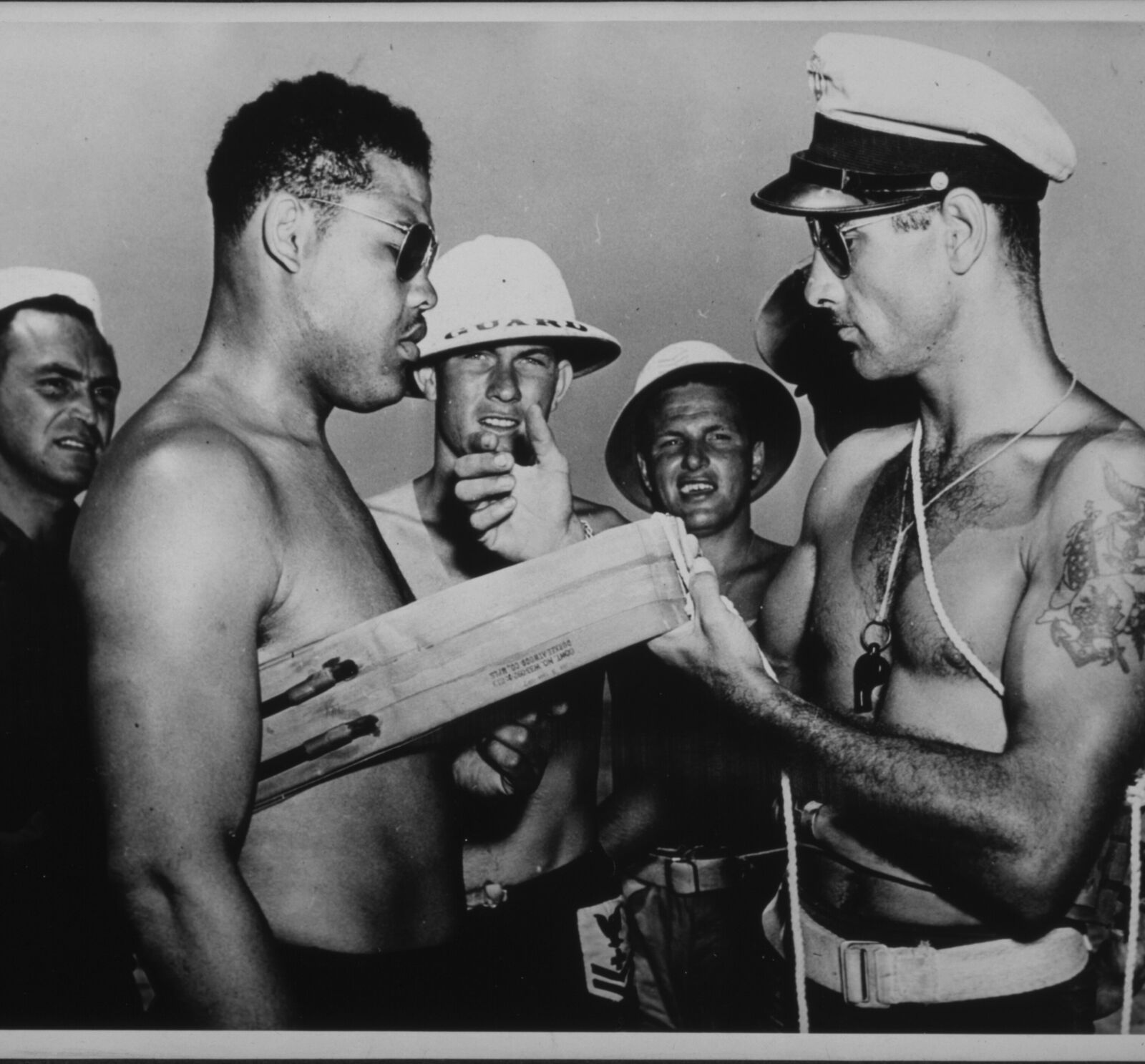
Joe Louis leaves Army with medal for lifting soldiers’ spirits
He went into the Army a private in 1942, after a fight for Navy Relief, and comes out a sergeant who has been heavyweight champion since 1937.
Detroit scores five runs before the Cubs come to bat, and Hal Newhouser, the Tigers’ left-handed ace, goes all nine innings.
Robinson says he knows what the signing means to his race, and Black neighborhoods from New York to Chicago pass the news along.
He lost his right arm at the age of six, and he catches the ball and throws it with the same hand.
Rockford’s Peaches ride Carolyn Morris’s pitching to the top, and a Racine girl steals more than a hundred bases.
Cleveland takes the Negro World Series in four straight from the Homestead Grays of the catcher Josh Gibson and the first baseman Buck Leonard.
MacPhail, Topping and Webb buy the club from the brewer Jacob Ruppert’s estate, and Snuffy Stirnweiss, their second baseman, wins the batting title.
The Boston Braves’ right fielder passes the modern National League mark the batting champion Rogers Hornsby set in 1922.
Kentucky’s Senator takes Judge Landis’s chair at $50,000 a year, and the owners make it unanimous.
Lionel delivers sets for Christmas.
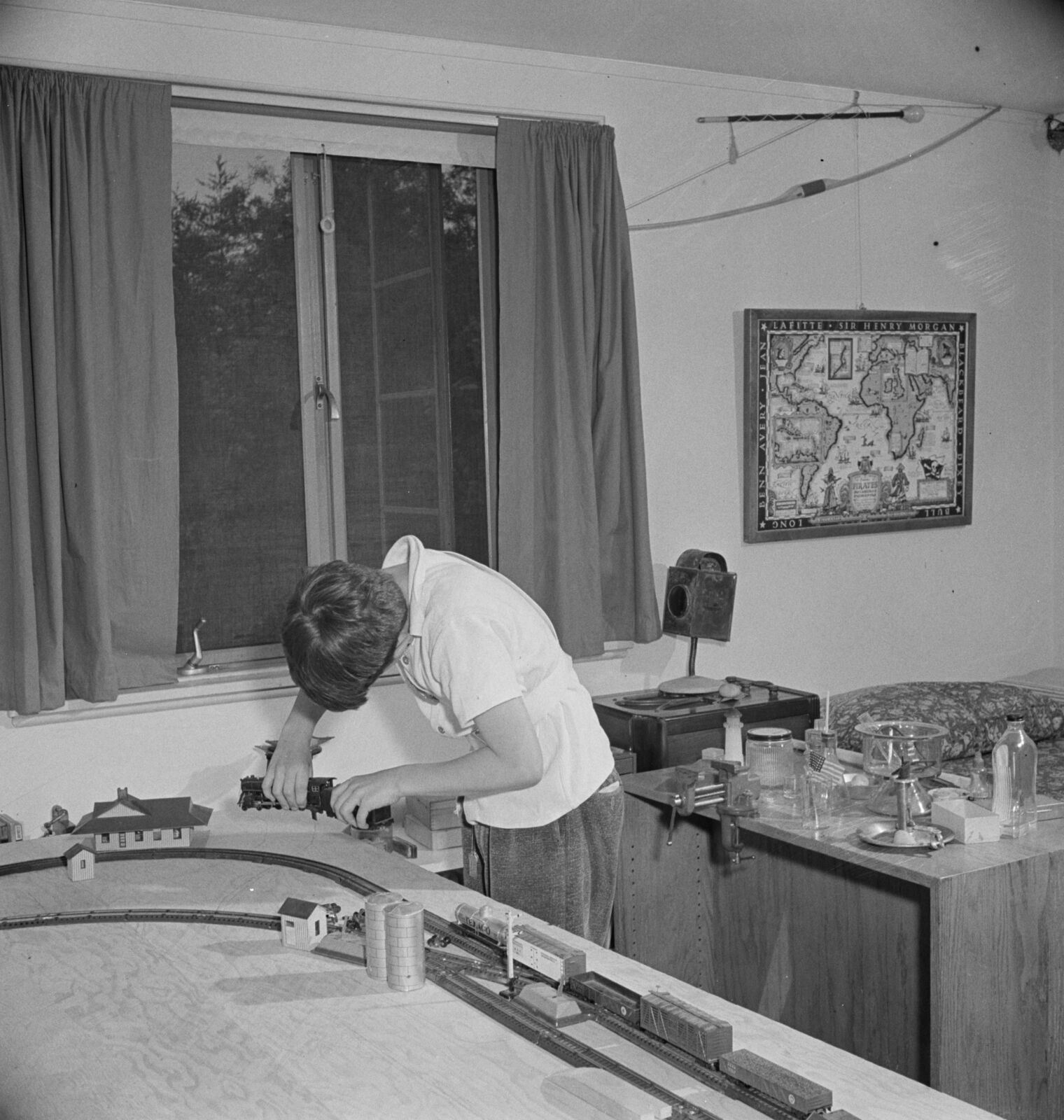
A thirteen-year-old’s bedroom in Greenbelt, Maryland, 1942
Fibber McGee and Molly run second and the Lux Radio Theater third in the Hooper ratings of radio listening.
The Yankee center fielder is out of uniform, and the Red Sox slugger is home but still a Marine.
A paid crowd of 47,729 cheers the Tigers’ slugger, and Detroit beats the Philadelphia Athletics, 9 to 5.
Eleven victories in a row carried the man the papers call “Lord Byron” from Miami to Montreal.
His best was the Portland Open, won by fourteen strokes with 261, 27 under par.
The 1932 Olympic track champion also played the men in the Los Angeles Open and made the 36-hole cut.
Before 102,000, the Cadets beat No. 2 Navy and finish 9–0.
Army’s fullback draws more votes than his backfield mate Glenn Davis.
Unbeaten Alabama and Harry Gilmer, its triple-threat back, meet Southern California on New Year’s day.
The Russians win two matches and draw two, scoring 19 goals to nine.
The Indianapolis 500-mile race is to come back on Memorial Day, with Wilbur Shaw, three times its winner, running the track.
The Rams beat Washington, 15 to 14, in bitter cold after a pass by Sammy Baugh, the Redskins’ star, hits the goal post.
Blozis, the giant tackle who kept asking the Army to take him, and Lummus, the end from Baylor, are remembered at the Polo Grounds.
State license returns measure wartime sport, and shoveler ducks adorn this year’s dollar duck stamp.
Cleveland counts 106 bowling centers against 59 in 1939, and many stay open until 3 in the morning for the men and women on shifts.
The new Hollywood Bowl Symphony plays the summer season, and radio carries its concerts beyond the hills.
The NBC Symphony opens its winter series with an all-Brahms concert, and Italian choral works follow.
By June about nine homes in a hundred had a radio they could not use for want of a tube, and new sets are still slow to reach the shops.
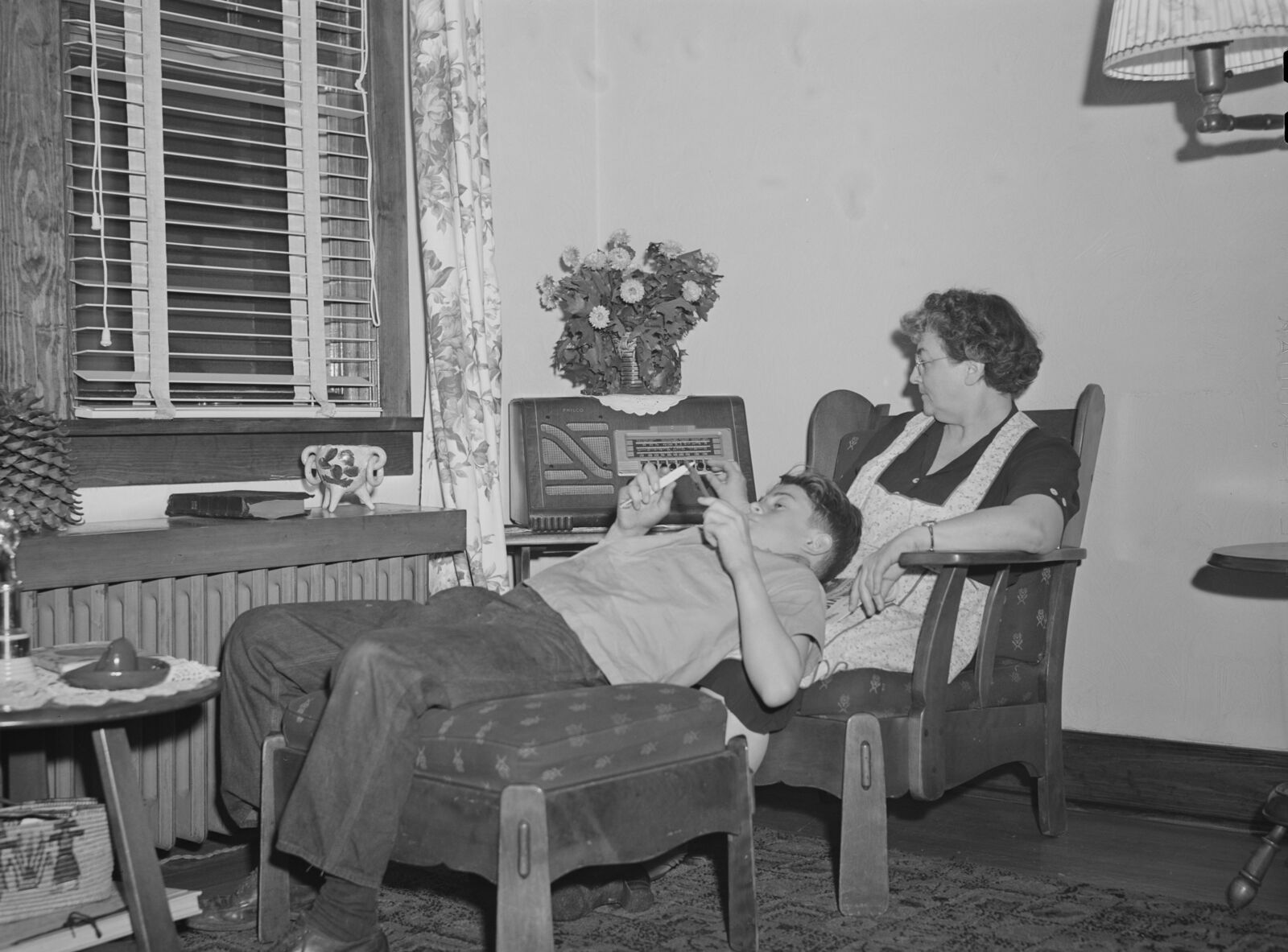
Listening to a radio program in the Senise home, 1943
RCA plans home sets costing from less than $200 to $300, and new frequency assignments reshape the postwar receiver.
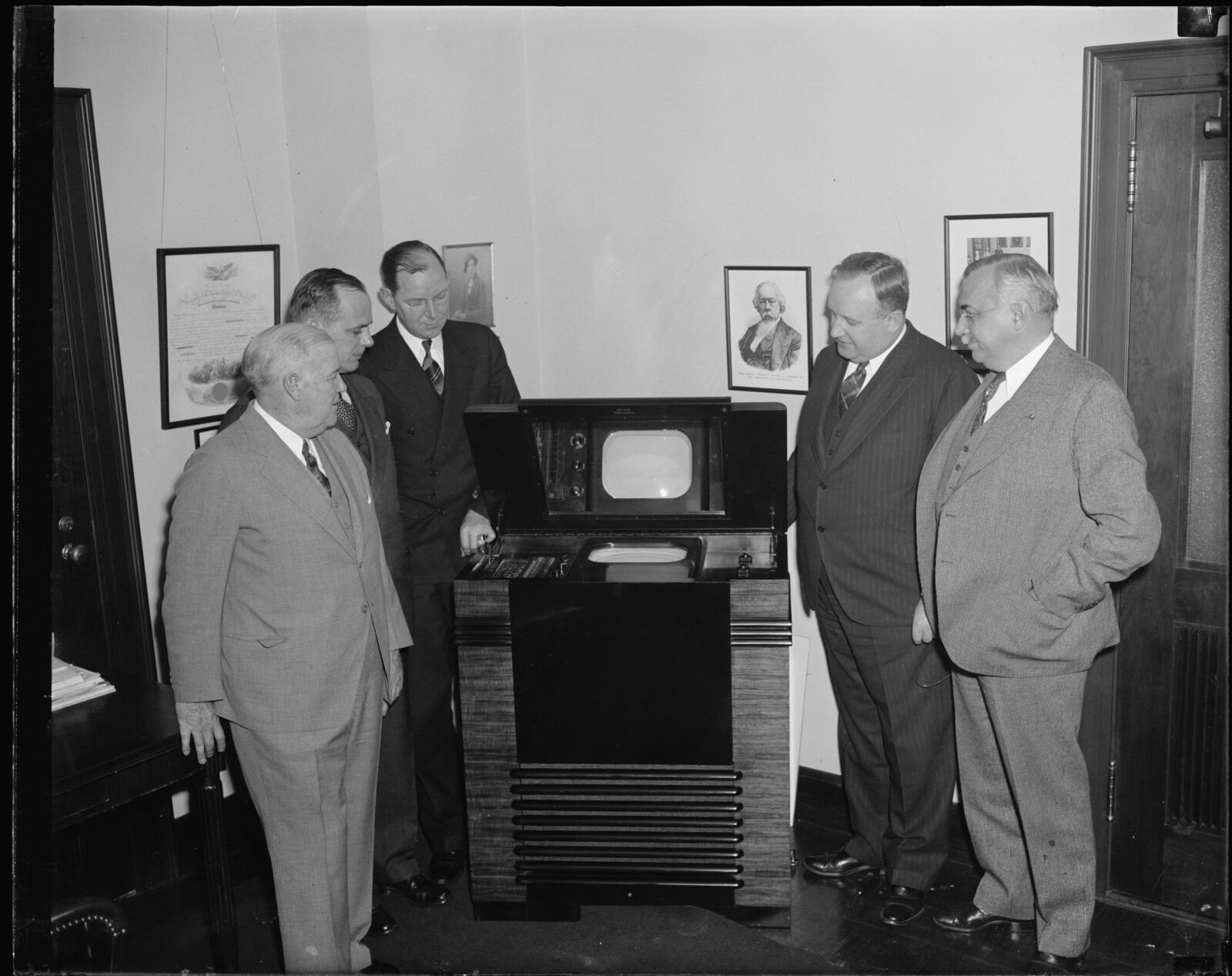
Television before the war, 1939
The Federal Communications Commission reopens the bands after the wartime silence.
Bird watchers open the 46th Christmas count a year after the wartime census drew its largest company yet.
Kodak promises color film for civilians as soon as war conditions permit, and fuller stocks are looked for this winter.
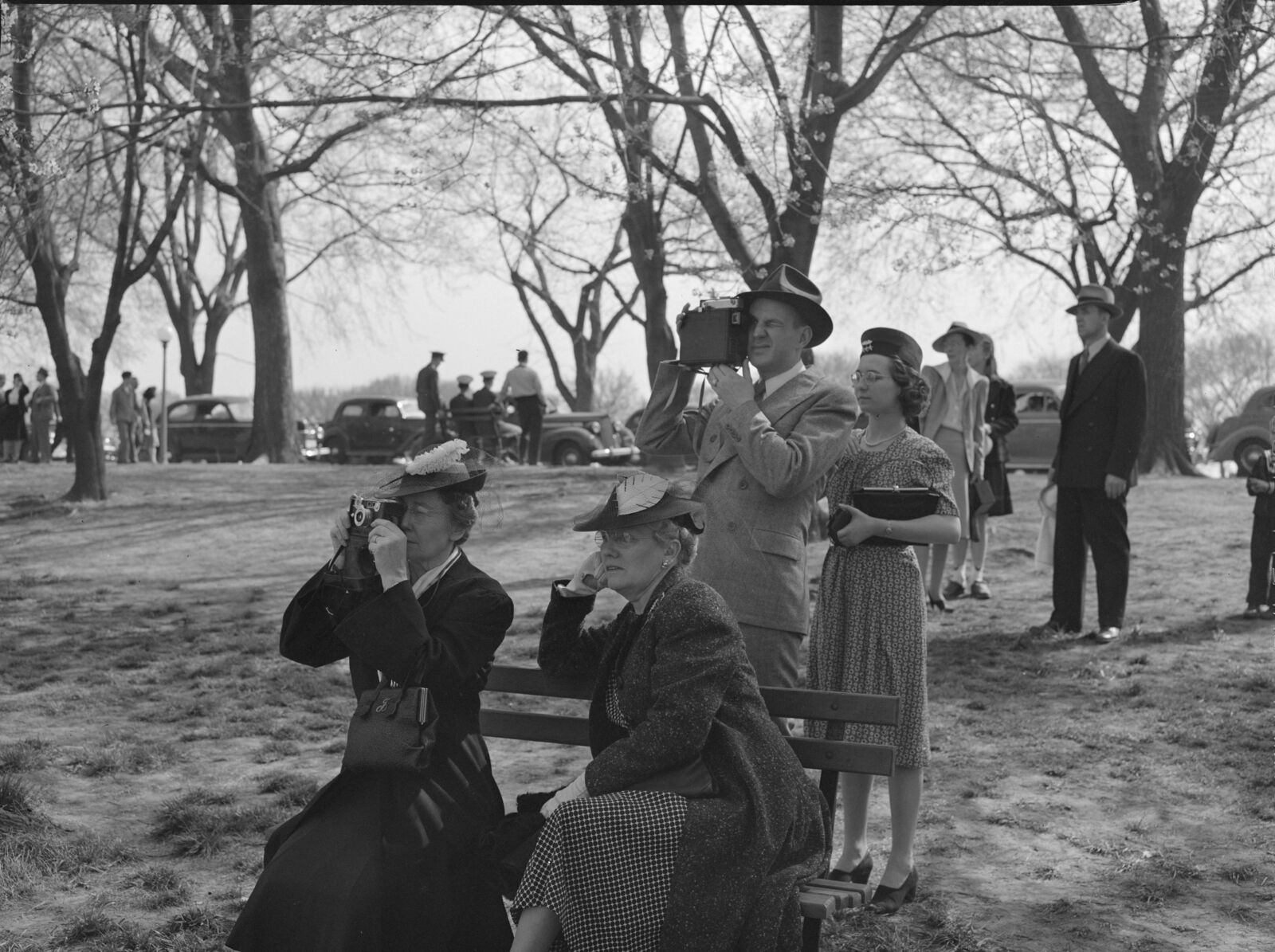
Camera bugs snap the cherry blossoms across the Tidal Basin, 1941