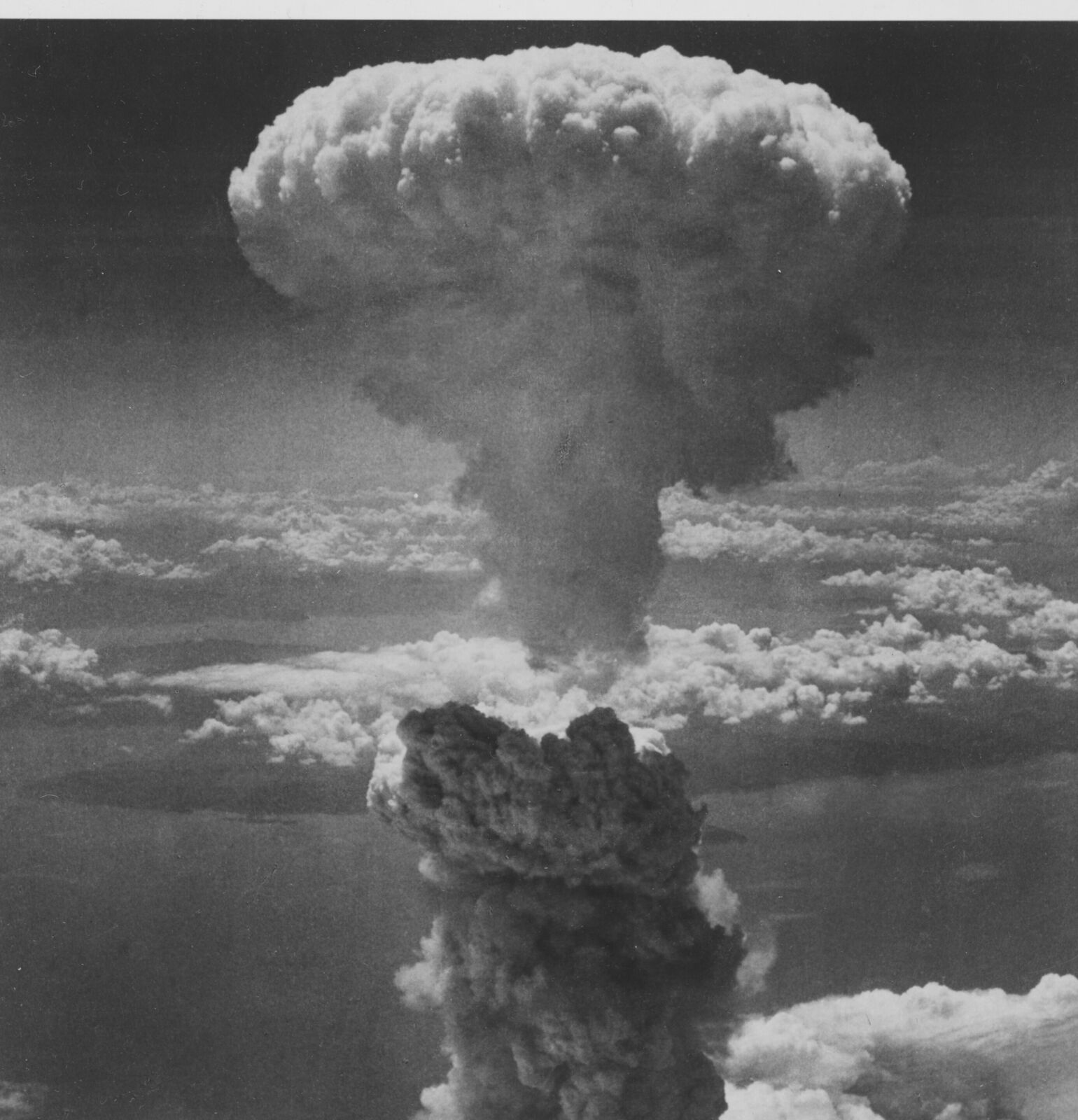
WASHINGTON, Aug. 12.—The first official account of how the atomic bomb was made was released today. It opens the bomb’s secret world just wide enough to show the public what its scientists and factories accomplished—and where military silence still begins. It explains the bomb’s principles and the organization that built it, while withholding information needed for military security.
Professor Henry DeWolf Smyth of Princeton wrote that citizens can make sound decisions “only if they are informed.” His report is officially Atomic Energy for Military Purposes.
Maj. Gen. Leslie R. Groves, director of the bomb project, asked Professor Smyth to prepare the report. President Truman approved publication. General Groves warned that military security prevented the story “from being told in full” and that unauthorized disclosures remained subject to the Espionage Act.
The report follows nuclear fission and the chain reaction through the organization that turned laboratory work into a weapon. It identifies Los Alamos in New Mexico, the Clinton Engineer Works in Tennessee and the great production works at Hanford in Washington.
THE SECRET CITIES. Oak Ridge, Los Alamos and Richland, three guarded towns holding about 96,000 people, now stand named as the secret homes of the atomic bomb.
Until this summer, tens of thousands of Americans living and working behind the gates knew mostly their own small part of the work. Oak Ridge separated uranium. Los Alamos, on a New Mexico mesa, designed and assembled the bombs. Richland housed workers for the Hanford plants that made plutonium.
By this year Oak Ridge had about 75,000 people, Richland 15,000 and Los Alamos 6,000. Roads ran through guarded gates, and at Los Alamos letters went to a post-office box in Santa Fe.
Families have schools, shops and churches now, but the Army still owns the ground and nearly everything upon it. Peace brings the question whether settlements built around one military task can become lasting communities.
THE FIRST FLASH, IN NEW MEXICO
The first atomic bomb had already broken the darkness over an American desert before one was used on Japan. Its flash was seen far across New Mexico.
The bomb stood on a tower 100 feet above the Alamogordo Bombing Range, on the plain called the Jornada del Muerto. At 5:30 on the morning of July 16, it was fired in the New Mexico desert, south of the secret laboratory at Los Alamos.
That day the Army offered another story: an ammunition magazine had exploded in a remote corner of the range, and no one had been hurt. Those who saw the flash could not know they had watched the first atomic explosion on earth.