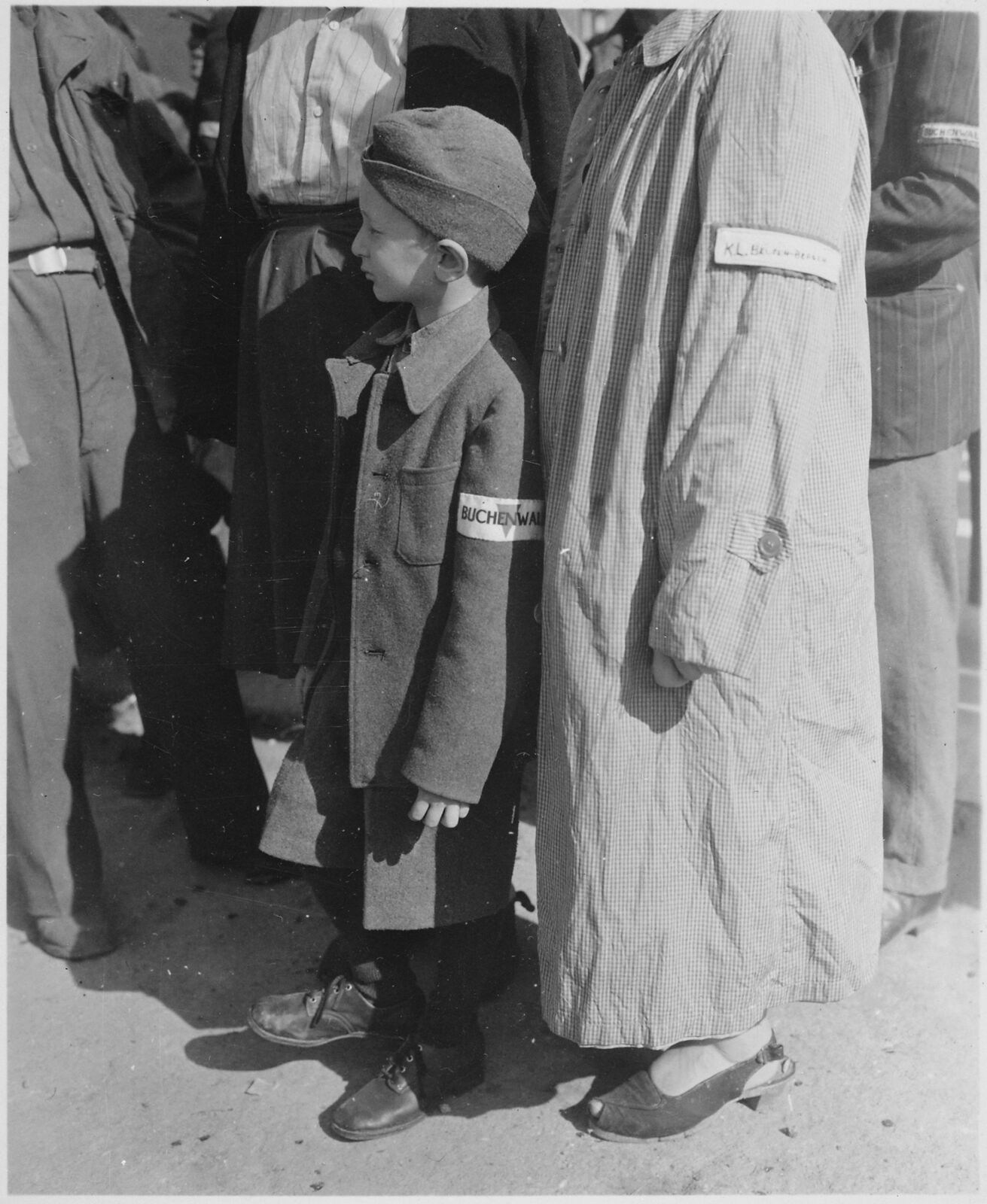
WASHINGTON, Dec. 22.—President Truman today ordered officials to begin admitting displaced persons and war refugees from the American occupation zones. They are to come in under existing quotas, without waiting for a new immigration law.
“The immensity of the problem of displaced persons and refugees is almost beyond comprehension,” the President said. “The United States shares the responsibility to relieve the suffering.”
The order creates no new places.
Yearly quotas for central and eastern Europe and the Balkans total about 39,000, and roughly two-thirds of those places belong to the German quota. Because no more than one-tenth of an annual quota may be used in any month, the possible flow is about 3,900 persons monthly.
Even that narrow passage has stood largely empty during the war. Only 10 per cent were used in the fiscal year 1942. The figure was 5 per cent in 1943, 6 per cent in 1944 and 7 per cent in 1945. Unfilled places expire, and Mr. Truman said he would not ask Congress to let them accumulate.
He hopes orphaned children will form a majority of those admitted, but he fixed no share for them. Relief organizations and relatives are to arrange support and passage, which he said “will not cost the American taxpayers a single dollar.” Visas are to be “distributed fairly among persons of all faiths, creeds and nationality.”
Officials of the State and War Departments, the Justice Department, the War Shipping Administration and the Public Health Service are to go to Europe to hasten the work. No refugee passage, the President said, may displace a returning American serviceman or a member of his family.
Approximately 1,000 refugees brought from camps in Italy are at the Government shelter near Oswego, N.Y. They may seek regular immigration status here instead of returning across the Atlantic to apply.
Measures pending in Congress would bar or severely restrict immigration. “This period of unspeakable human distress,” Mr. Truman said, “is not the time for us to close or to narrow our gates.”